
Many people love the look of long, flawless nails. However, before you book your next nail appointment, you need to ask are acrylic nails damaging to your natural nails? The answer might surprise you.

What Are Acrylic Nails?
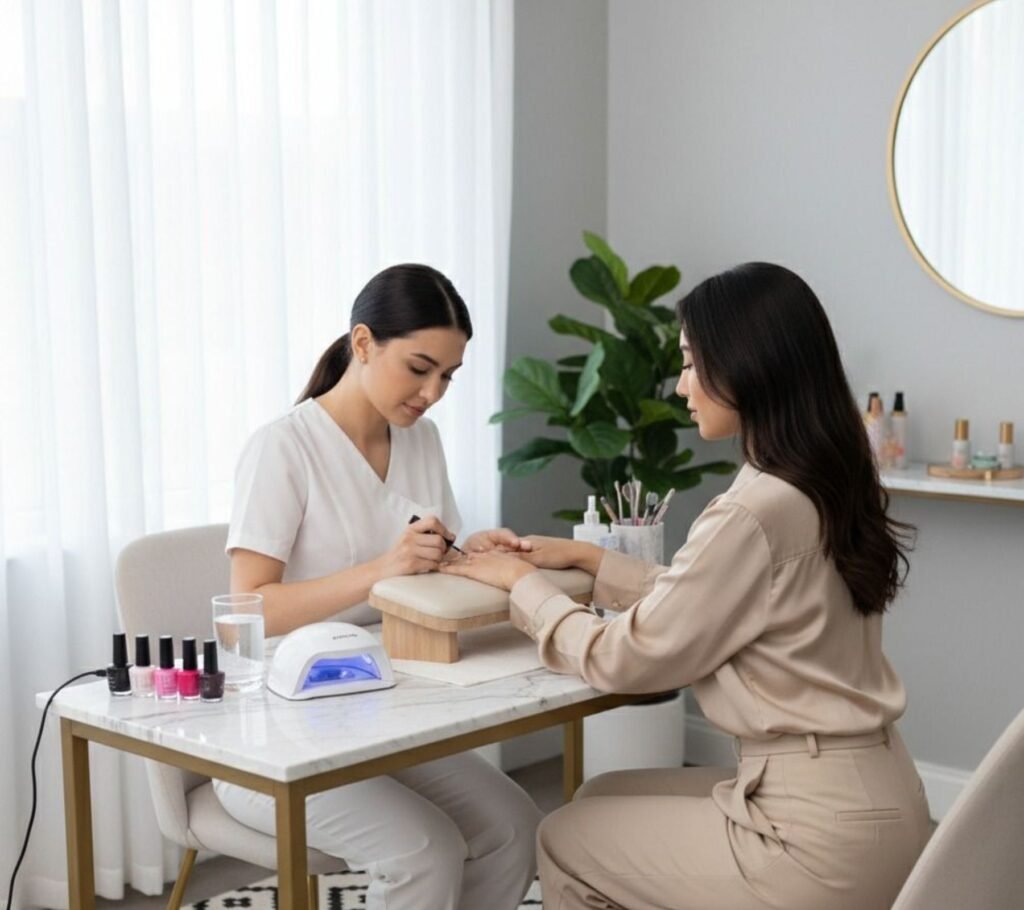
Acrylic nails are artificial nail extensions. A nail technician applies a mix of liquid monomer and powder polymer directly onto your natural nails. The mixture hardens and creates a strong, durable surface. In addition, you can shape and paint them any way you like.
Many women choose acrylics because they look polished and last for weeks. Furthermore, they help people who struggle with short or brittle nails. However, they do come with a cost to your nail health.
Are Acrylic Nails Damaging to Your Natural Nails?
Yes ,are acrylic nails damaging? Absolutely, especially with frequent or improper use. Your natural nails sit underneath the acrylic layer the entire time. As a result, they receive very little air, moisture, or breathing room.
The application process itself starts the damage. Nail technicians file down your natural nail surface before applying acrylics. This filing removes the top protective layer of your nail. Therefore, your nails become thinner and weaker from the very first session.
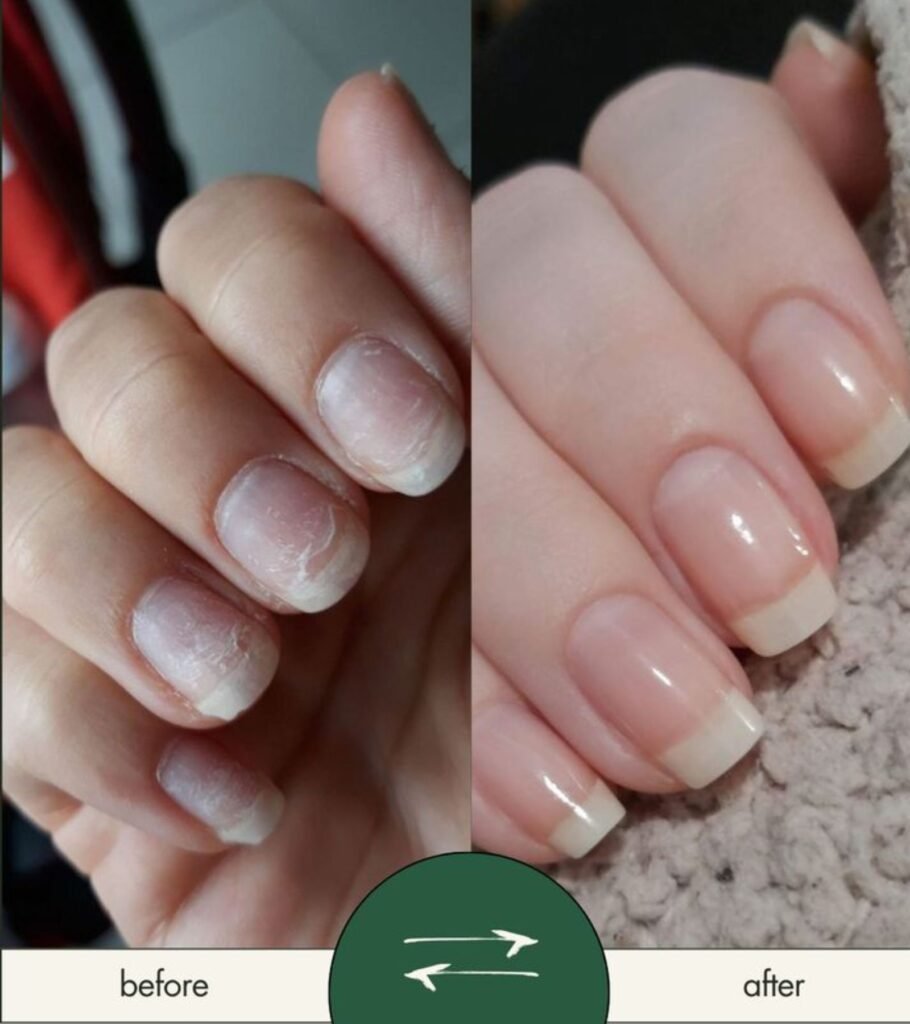
In addition, the strong chemicals in acrylic products irritate the nail bed. Some people also experience allergic reactions to the monomer liquid. So, even one set of acrylics can cause noticeable damage to sensitive nails.
How Acrylic Nails Cause Damage
Understanding the damage helps you make smarter choices. Here are the main ways acrylics harm your nails:
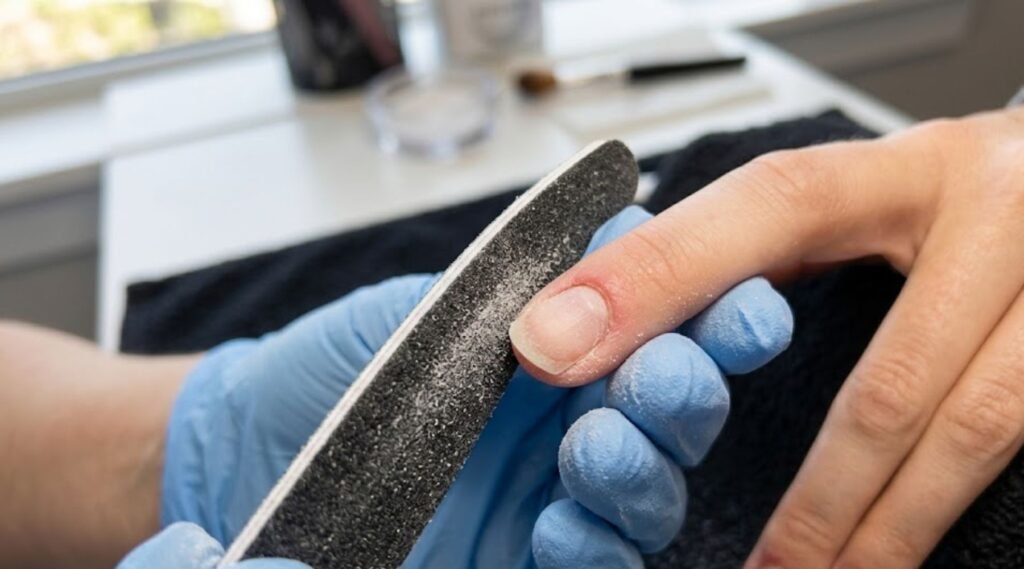
1. Filing and Buffing
Technicians file your nail plate before each application. This process thins your nails over time. Furthermore, repeated filing weakens the nail structure permanently.
2. Harsh Chemicals
Acrylic products contain strong chemicals like methyl methacrylate (MMA) and ethyl methacrylate (EMA). These chemicals dry out your nail bed. In addition, they strip natural oils from your nails and surrounding skin.
3. Improper Removal
Many people peel or pull off their acrylic nails at home. This tears layers of the natural nail right off with it. As a result, nails become paper-thin and extremely fragile.
4. Moisture Trapping
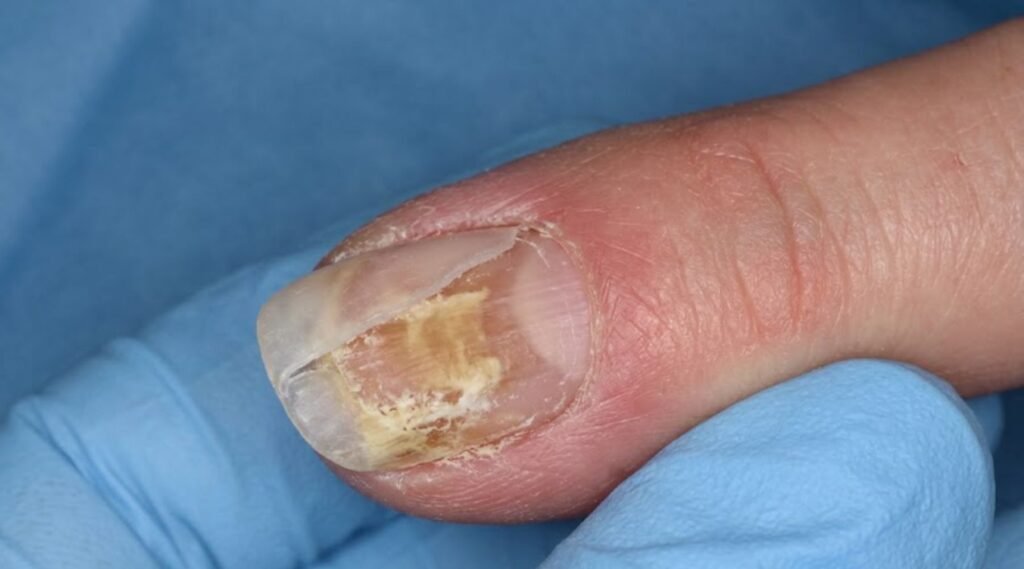
Acrylics seal moisture between the artificial and natural nail. This creates the perfect environment for fungal infections. Therefore, you may notice yellowing or unusual nail odors over time.
5. Nail Lifting
When acrylics lift at the edges, bacteria and moisture enter the gap. This causes infections that damage the nail bed. Next, the infection spreads quickly if you ignore the early signs.
Signs Your Nails Are Being Damaged by Acrylics
Your nails will tell you when something is wrong. Watch out for these warning signs:
Thinning nails
Your nails feel paper-thin and bend easily after removal. This means repeated filing has removed too many nail layers.
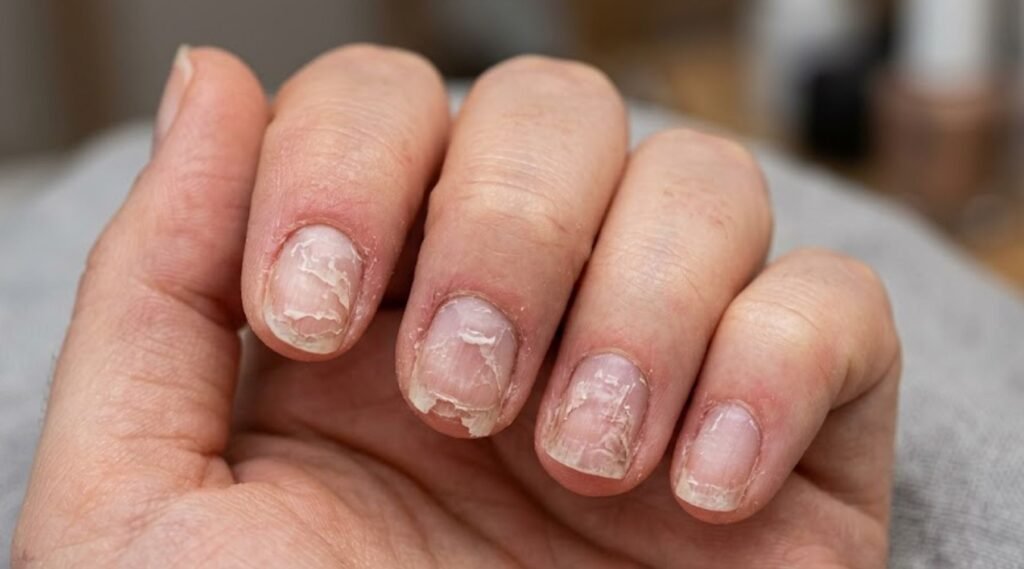
Peeling and flaking
Natural nails start to peel in layers. This happens because chemicals in acrylics dry out the nail plate.
Discoloration
Yellow, white, or greenish nails signal a fungal infection. Therefore, see a doctor right away if you notice color changes.
Soreness or tenderness
Pain around the nail bed is a red flag. In addition, swelling near the cuticle area means possible infection.
Slow nail growth
Damaged nails grow slower than healthy ones. Furthermore, new growth may come in weak or ridged.
If you notice any of these signs, give your nails a proper break immediately.
How to Minimize Damage from Acrylic Nails
You do not have to give up acrylics entirely. However, you must take the right steps to protect your nail health. Follow these practical tips:
Choose a skilled technician:
Always go to a licensed and experienced nail professional. A good technician files gently and uses quality products. In addition, they apply the correct thickness to avoid breakage.
Ask for EMA-based products:
Avoid salons that use MMA (methyl methacrylate). EMA products cause significantly less damage to the nail bed. Therefore, always ask your technician which products they use.
Never skip fills:
Get your fills every two to three weeks. Skipping fills causes lifting, which traps moisture and bacteria. As a result, infections develop quickly in neglected acrylics.
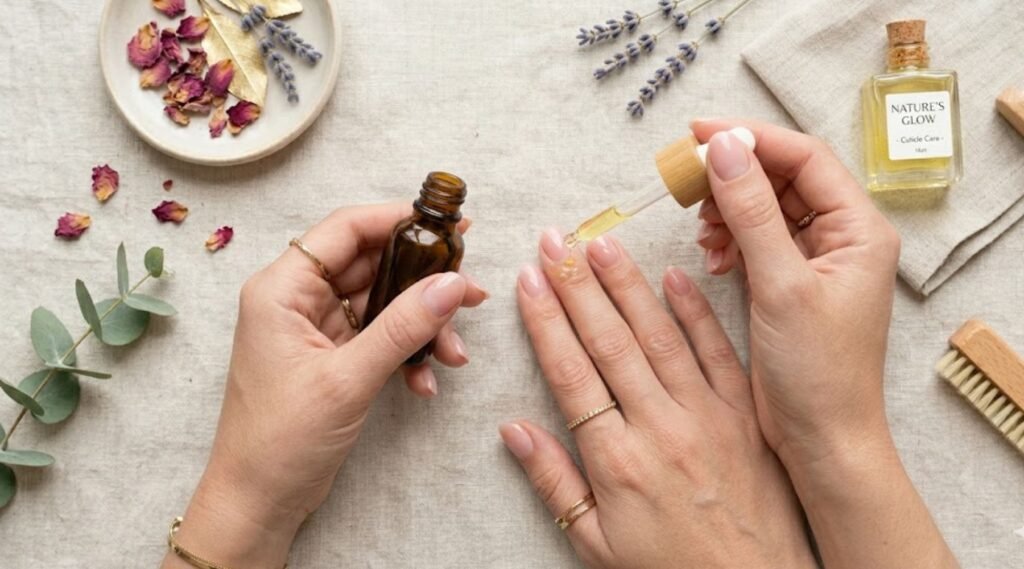
Moisturize daily:
Apply cuticle oil every single day. Hydrated nails and cuticles stay stronger under acrylics. Furthermore, moisturizing slows down the drying effect of chemicals.
Remove acrylics professionally:
Never peel or pull your acrylics off at home. Always soak them off properly at a salon. This one step alone prevents most of the serious nail damage people experience.

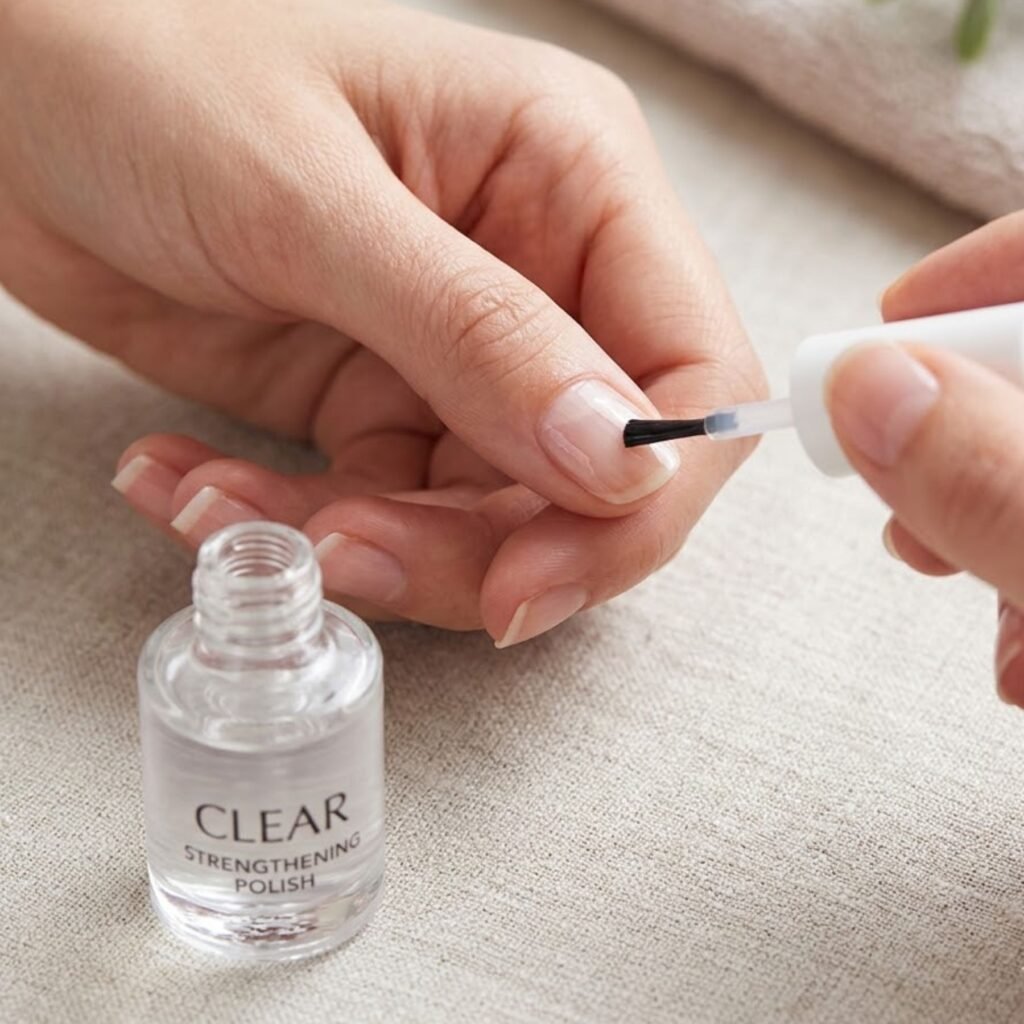
Use nail strengtheners during breaks:
When you take a break from acrylics, apply a nail strengthening treatment. This helps rebuild the nail plate faster. In addition, it prepares your nails for the next set.
When Should You Give Your Nails a Break?
Even if you love acrylics, your nails need rest. Nail care experts recommend taking a break every three to six months. During this time, your natural nails recover and regrow.
You should also take a break immediately if you notice any of the warning signs above. Furthermore, if your nails feel painful, soft, or look discolored stop and rest them. Your long-term nail health matters more than short-term style.
A two to four week break makes a noticeable difference. Next, use that time to hydrate, strengthen, and nourish your nails fully. After the break, your nails will handle the next set much better.

Conclusion
So, are acrylic nails damaging? Yes, they can be but smart habits reduce the risk significantly. Choose a skilled technician, use safe products, moisturize daily, and never skip professional removal. In addition, give your nails regular breaks to recover fully. Your natural nails deserve just as much care and attention as your style does. Start protecting your nail health today your future self will thank you.
FAQs
Q1: Are acrylic nails damaging if worn long-term?
A: Yes, long-term use thins and weakens natural nails, increasing the risk of breakage and infection.
Q2: Can acrylic nails cause permanent nail damage?
A: Yes, repeated improper application and removal can permanently thin and scar the nail plate.
Q3: How often should I take a break from acrylic nails?
A: Take a two to four week break every three to six months to let your nails recover.
Q4: Is professional removal really necessary for acrylic nails?
A: Yes, peeling them off at home tears natural nail layers and causes serious, avoidable damage.
Q5: What is the safest way to wear acrylic nails?
A: Choose EMA products, get regular fills, moisturize daily, and always remove them at a professional salon.