
Many people love the look of long, perfectly shaped nails. However, not everyone can grow strong natural nails on their own. That is exactly why acrylic nails have become one of the most popular beauty treatments worldwide. But here is the question most people ask before sitting in that salon chair are acrylic nails safe?
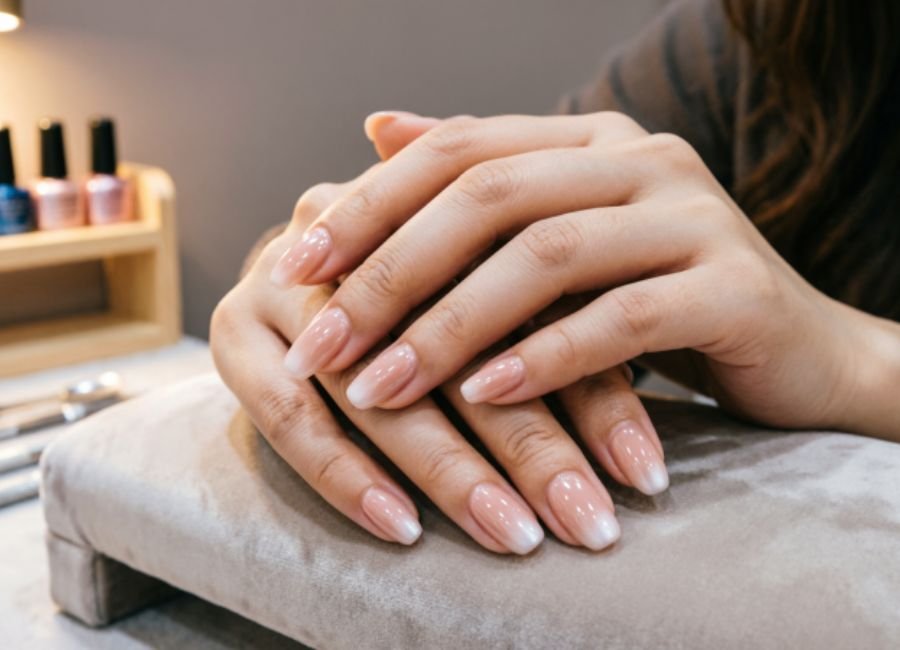
It is a fair concern. After all, you are applying chemicals directly onto your fingertips. Some people wear acrylics for years without any issues. Others experience irritation, damage, or infections. So, the answer is not simply yes or no. Furthermore, your nail health, salon hygiene, and application technique all play a major role. In this article, you will find everything you need to make a smart, informed decision about acrylic nails.
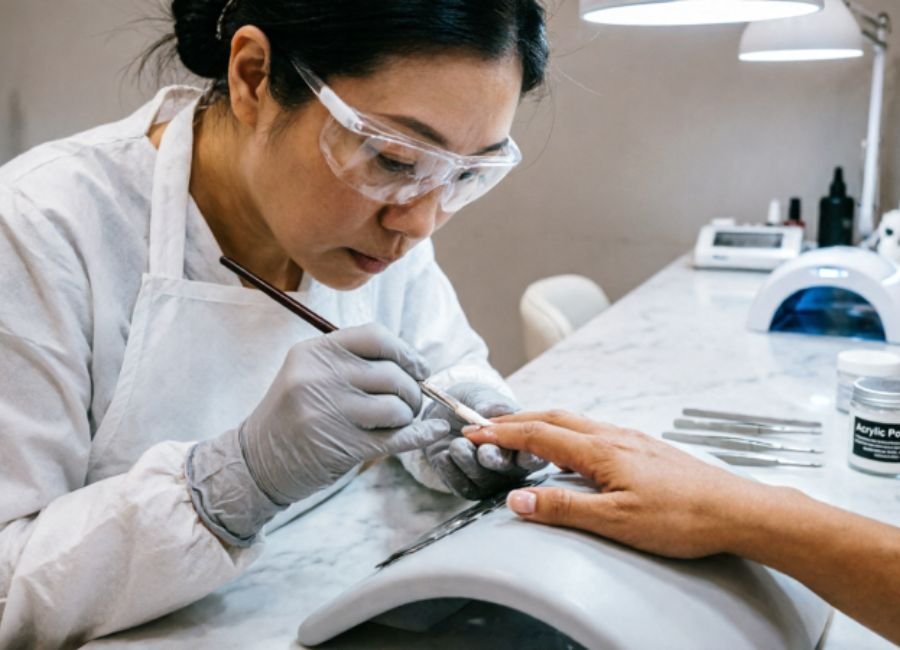
What Are Acrylic Nails?
Acrylic nails are artificial nail extensions that nail technicians apply over your natural nails. They consist of two main ingredient a liquid monomer and a powder polymer. When a technician mixes these two substances together, they form a soft paste. Next, the technician shapes this paste over your natural nail or a nail tip. Finally, it hardens into a strong, durable surface.
People choose acrylic nails for several reasons:
- They add length instantly
- They create a uniform, polished look
- They last longer than regular nail polish
- They feel stronger than natural nails
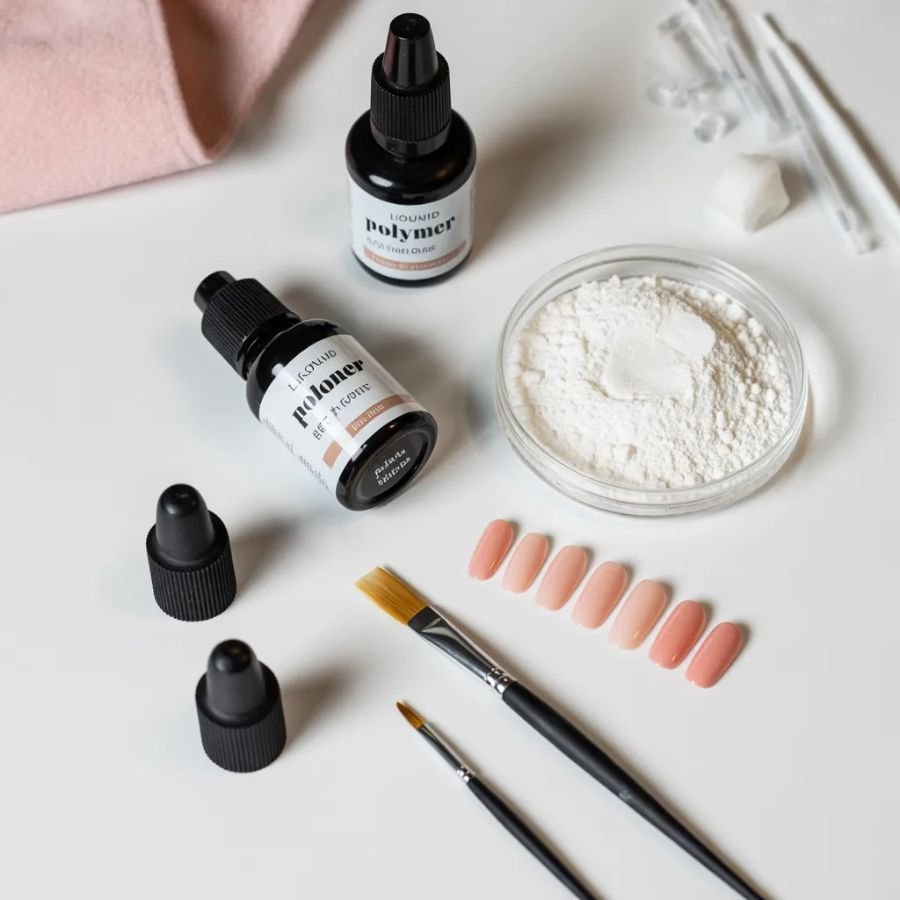
However, the process involves several chemicals. Therefore, it is important to understand what goes on your nails before you commit to the treatment.
Are Acrylic Nails Safe for Your Natural Nails?
This is the core question are acrylic nails safe for the nails underneath? The honest answer is: they can be safe, but only when applied and removed correctly.
When a skilled technician applies acrylics properly, your natural nails can remain relatively healthy. However, problems arise when:
- The technician files the natural nail too aggressively
- You wear acrylics for too long without breaks
- You pick or forcefully remove the extensions yourself
- The salon uses low-quality or harmful products
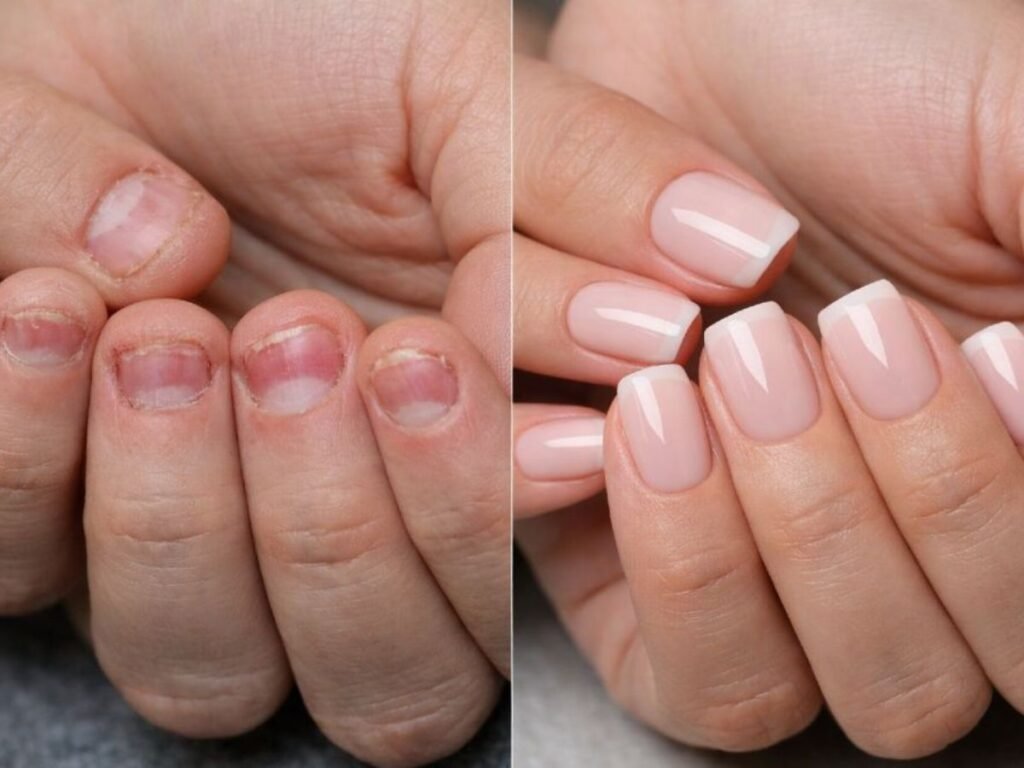
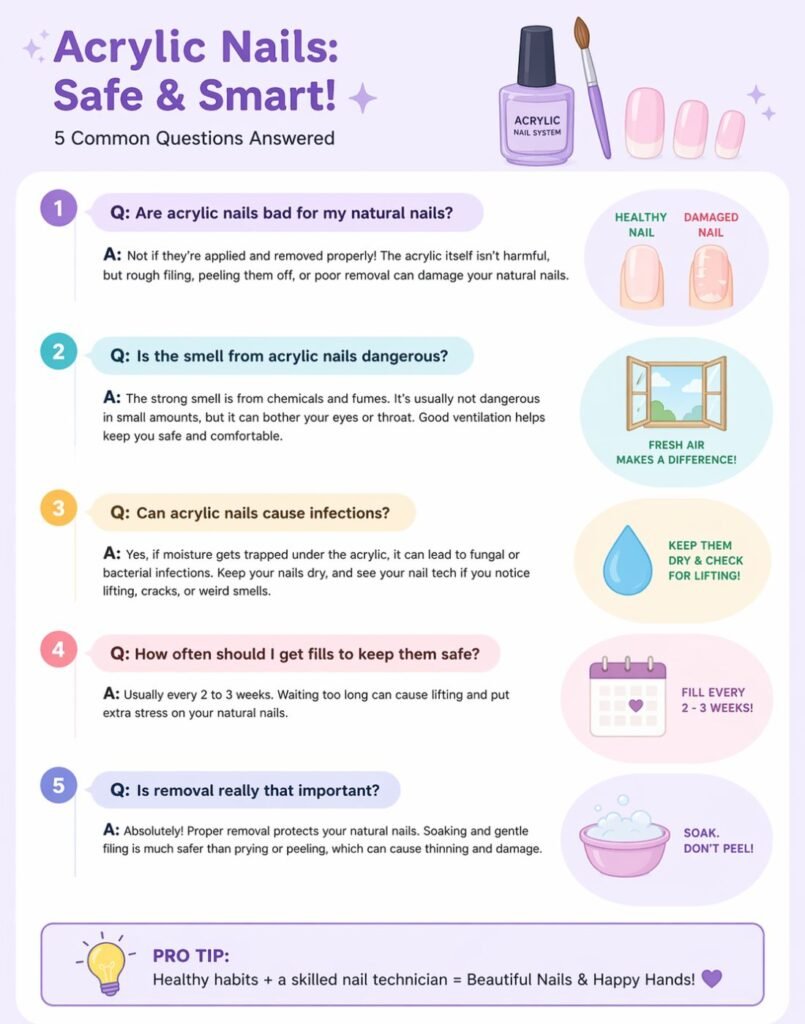
Dermatologists often point out that the removal process causes more damage than the application itself. In addition, keeping moisture trapped under the acrylic can lead to fungal infections. Therefore, choosing a reputable nail salon is just as important as the treatment itself.
Common Risks and Side Effects of Acrylic Nails
Even though millions of people wear acrylics safely, there are real risks you should know about. Understanding these risks helps you take the right precautions.
1. Nail Thinning and Weakening
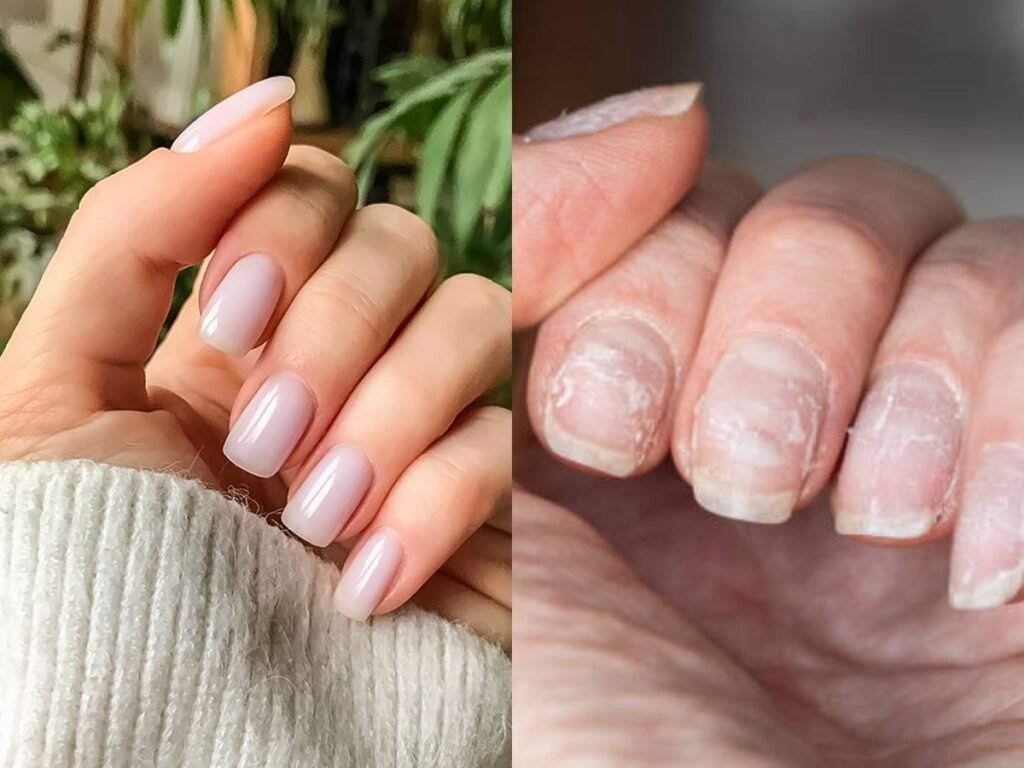
Nail technicians must file down your natural nail surface before applying acrylics. This process thins your nails. Over time, repeated filing makes your nails significantly weaker. As a result, your natural nails may feel brittle and fragile after you remove the acrylics.
2. Allergic Reactions
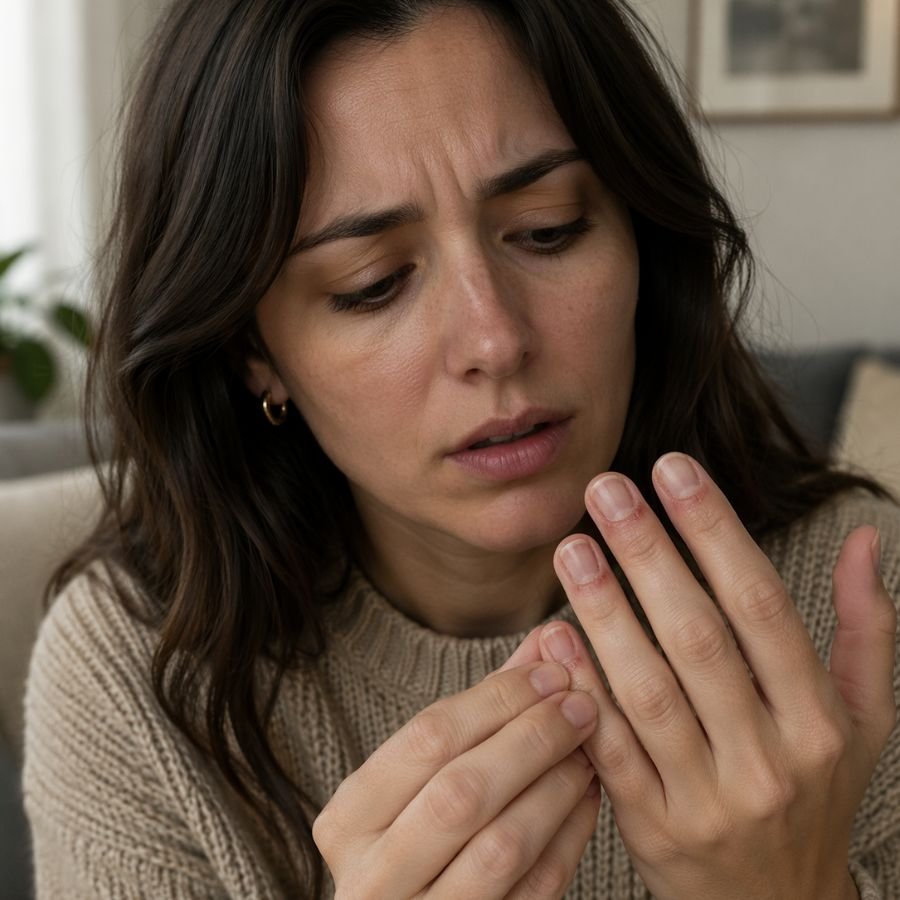
Some people develop an allergic reaction to the chemicals in acrylic products. Symptoms include redness, itching, swelling, and rash around the nail area. Furthermore, in some cases, the allergy can spread beyond the fingertips. If you notice any of these symptoms, remove the acrylics immediately and consult a dermatologist.
3. Nail Infections
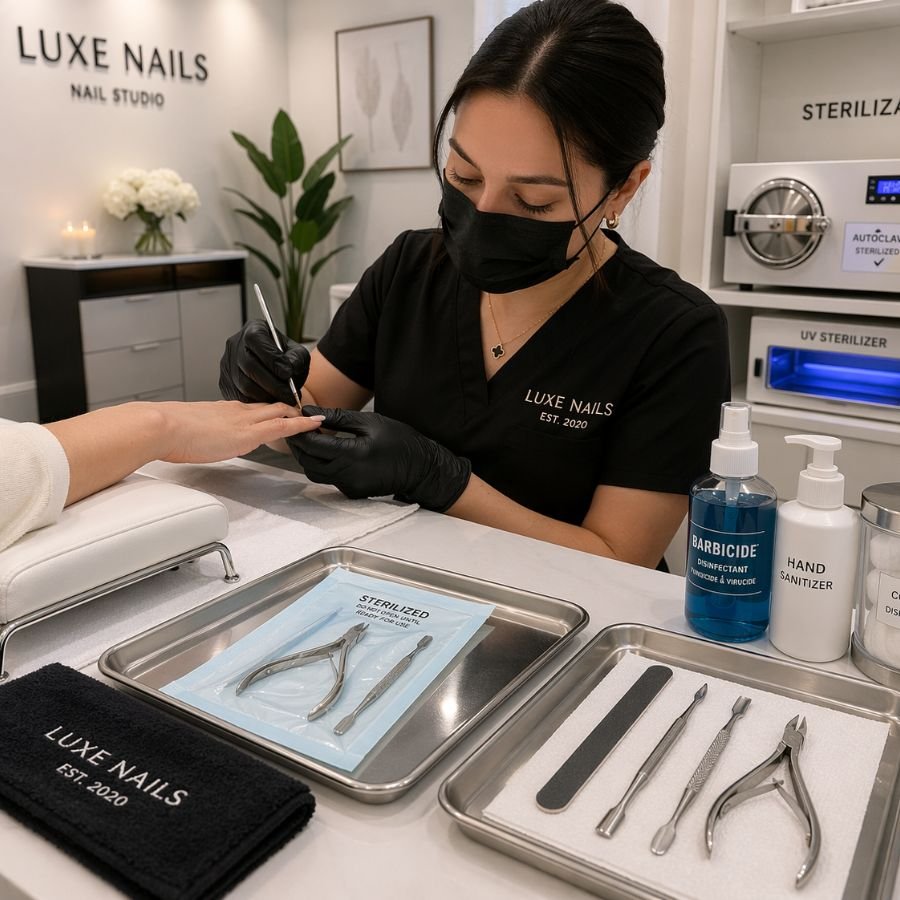
A small gap between your natural nail and the acrylic extension creates the perfect environment for bacteria and fungi to grow. Therefore, if you notice any green, yellow, or black discoloration under your nails, visit a doctor right away. Nail salon safety practices, like sterilizing tools properly, help prevent these infections.
4. Nail Lifting and Breaking
Acrylic nails can lift at the edges over time. When this happens, moisture enters the gap. Additionally, if an acrylic nail breaks suddenly, it can tear your natural nail along with it. This causes pain and sometimes bleeding.
5. Chemical Exposure
Prolonged exposure to the chemicals used in acrylic products affects not just your nails but also the skin around them. In fact, nail technicians who work with these chemicals daily face higher health risks, including respiratory issues.
Chemicals Used in Acrylic Nails and Their Effects
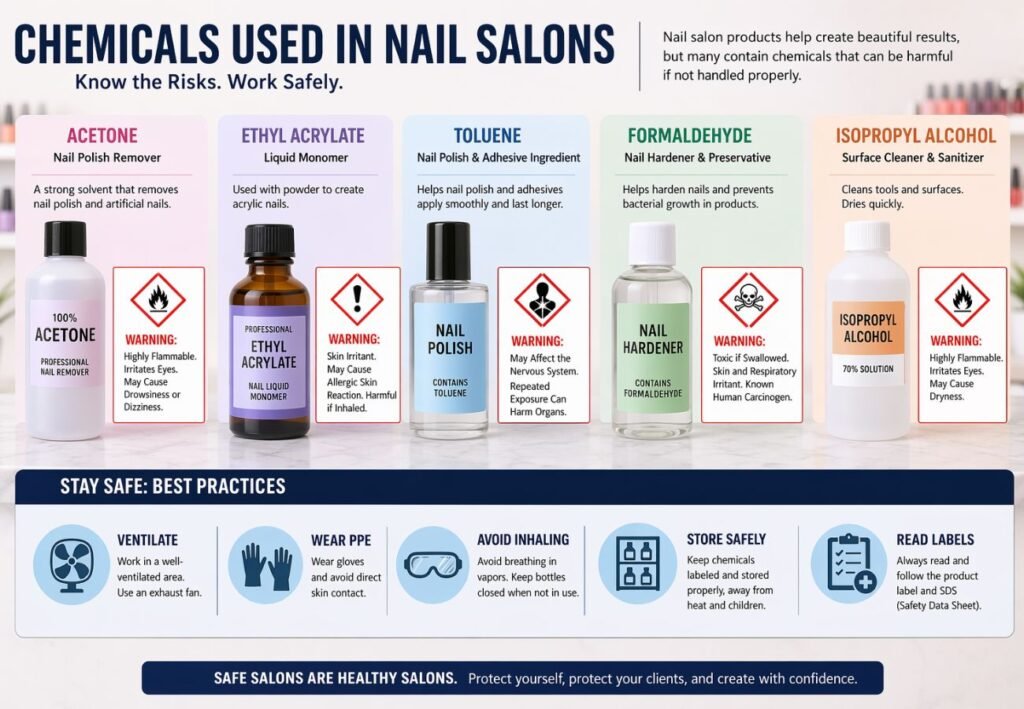
Understanding chemical exposure is key to answering the question — are acrylic nails safe? Here are the main chemicals involved:
| Chemical | Purpose | Potential Risk |
| Ethyl Methacrylate (EMA) | Main monomer | Skin irritation, allergies |
| Methyl Methacrylate (MMA) | Older monomer | Banned in many countries due to high toxicity |
| Benzoyl Peroxide | Catalyst | Skin sensitizer |
| Acetone | Removal solvent | Dries out skin and nails |
| Formaldehyde | Hardener in some products | Carcinogen, causes respiratory issues |
Many countries have banned MMA-based products. However, some budget salons still use them illegally. Therefore, always ask your salon about the products they use. A trustworthy salon will answer this question without hesitation.
How to Use Acrylic Nails Safely
The good news is that you can enjoy acrylic nails while keeping your natural nails healthy. You just need to follow the right practices. Here are practical steps to help you stay safe:
Choose a Reputable Salon
First and foremost, research the salon before your appointment. Look for salons that sterilize their tools, use licensed technicians, and maintain proper ventilation. Nail salon safety standards vary widely, so do not choose a salon based on price alone.
Ask About the Products
Ask your technician directly which brand and type of acrylic they use. A good salon uses EMA-based products instead of harmful MMA-based ones. Furthermore, they should use products from well-known, reputable brands.
Do Not Pick or Force Remove Them
Removing acrylic nails at home by peeling or prying causes serious nail damage. Instead, always go back to your salon for professional removal. If that is not possible, soak your nails in acetone as directed and gently ease the product off.
Take Regular Breaks
Give your natural nails time to breathe and recover between applications. Most nail experts recommend taking a break of at least two to four weeks after every two to three months of wearing acrylics. During this break, use a strengthening nail treatment.
Keep Your Nails Dry and Clean
Moisture under acrylic nails invites bacteria and fungi. Therefore, dry your hands thoroughly after washing. Also, avoid prolonged soaking in water, like long baths or swimming, without protective gloves.
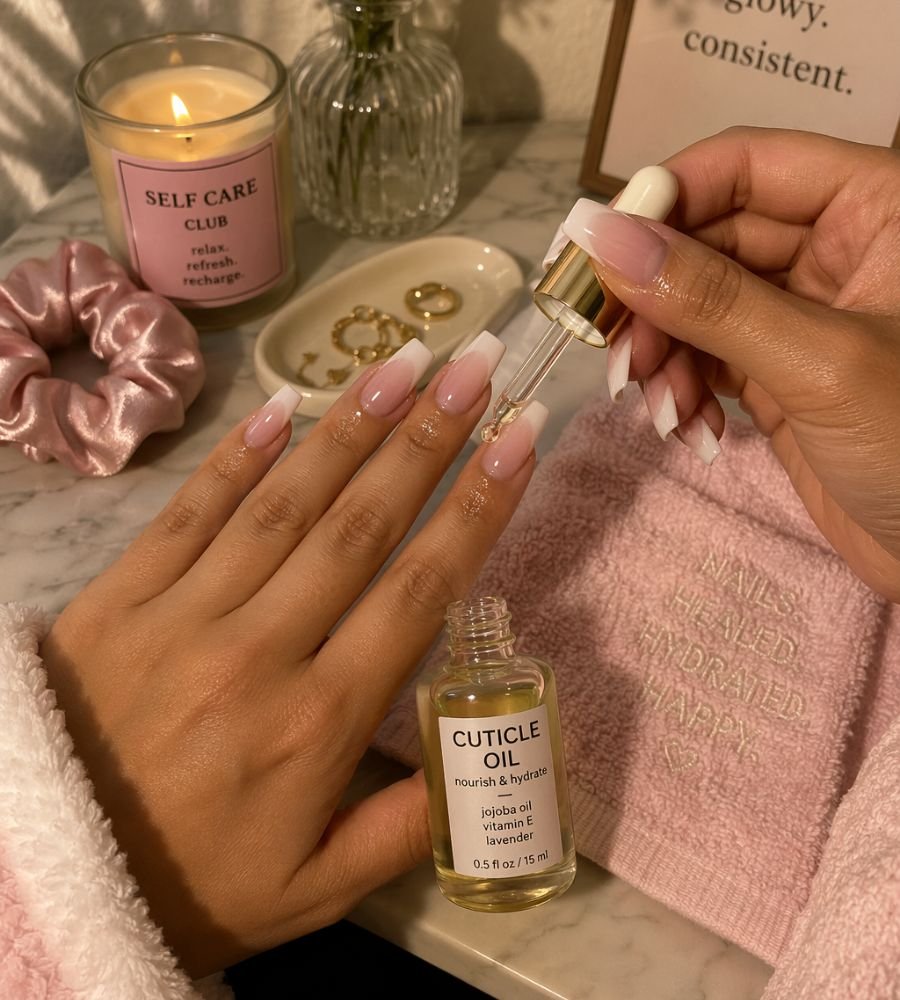
Moisturize Your Cuticles Daily
Acrylic application and removal both dry out the skin around your nails. In addition, acetone strips natural oils from your skin. Apply cuticle oil every day to keep the area healthy and hydrated.
Who Should Avoid Acrylic Nails?
While most people can wear acrylics safely, some individuals should avoid them entirely. Consider skipping acrylic nails if you:
- Have a known allergy to acrylates or methacrylates
- Suffer from eczema or psoriasis around the nail area
- Have a history of nail infections
- Are currently undergoing chemotherapy or have a weakened immune system
- Already have thin, damaged, or brittle natural nails
Furthermore, pregnant women should speak with their doctor before getting acrylic nails, given the chemical exposure involved. Your doctor can help you weigh the risks and make the best decision for your health.
Tips for Maintaining Nail Health with Acrylics
If you decide to go ahead with acrylics, these nail care tips will help you protect your natural nails throughout the process:
- Schedule fills every two to three weeks this prevents lifting and reduces infection risk
- Use a nail brush to gently clean under the edges daily
- Wear gloves while doing dishes, cleaning, or using harsh chemicals
- Avoid using your nails as tools do not open cans or scratch surfaces with them
- Apply a nail strengthener during your break periods between acrylics
- Stay hydrated good overall hydration supports healthy nail growth
- Eat biotin-rich foods like eggs, nuts, and leafy greens to support nail health from within
In addition, always communicate with your nail technician. If something feels uncomfortable or painful during application, speak up immediately. A skilled professional will adjust their technique.
Conclusion
So, are acrylic nails safe? Yes they can be safe when you choose the right salon, use quality products, and follow proper nail care tips. However, they do carry real risks, especially if you skip important steps like professional removal or regular maintenance. Therefore, knowledge is your best tool here. Understand the chemicals involved, watch for warning signs, and take breaks to let your natural nails recover. If you approach acrylic nails responsibly, you can enjoy beautiful, long-lasting nails without sacrificing your nail health. Ready to book your appointment? Make sure you choose a certified, hygienic salon that puts your safety first.
FAQs
Q1: Are acrylic nails safe for long-term use?
A: Long-term use can weaken natural nails, so it is best to take regular breaks between applications.
Q2: Can acrylic nails cause permanent nail damage?
A: Yes, improper application or removal can cause permanent thinning, but careful use minimizes this risk significantly.
Q3: How do I know if my salon uses safe acrylic products?
A: Simply ask your technician which brand they use and confirm it is EMA-based, not MMA-based.
Q4: What should I do if my acrylic nail causes an allergic reaction?
A: Remove the acrylic immediately and visit a dermatologist for proper diagnosis and treatment.
Q5: How often should I take a break from acrylic nails?
A: Take a two-to-four-week break after every two to three months of continuous acrylic nail use.