
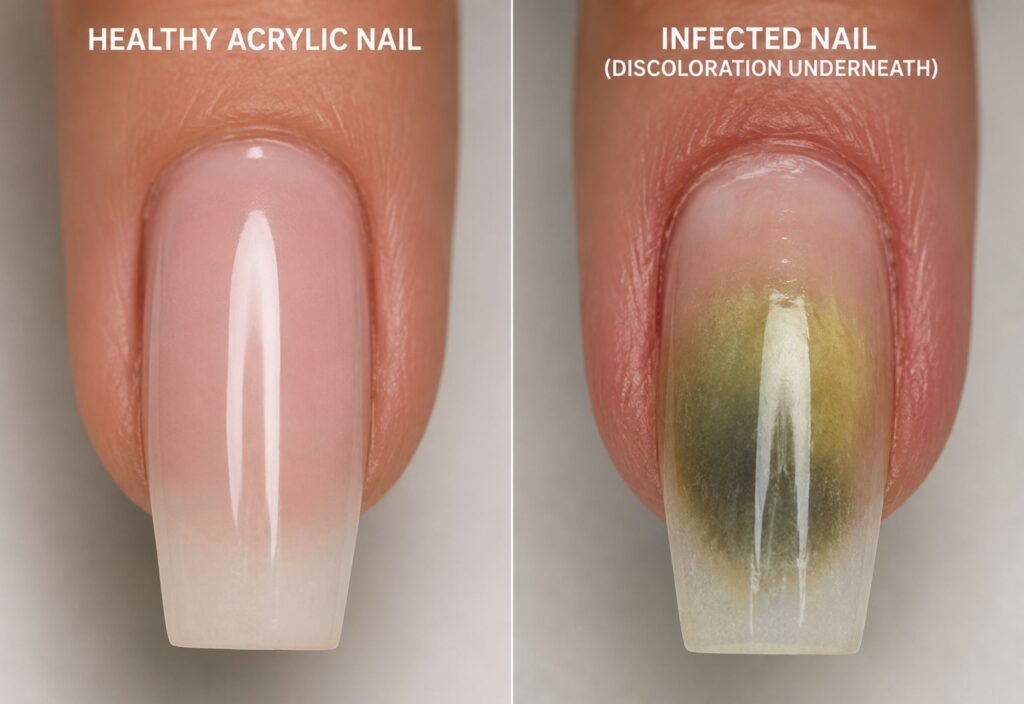
Getting acrylic nails feels like a treat; they look polished, last for weeks, and save you from chipped polish nightmares. But if you have ever noticed a dark spot, a strange smell, or crumbling nail underneath your acrylics, you may be dealing with fingernail fungus from acrylic nails.
It is more common than most people realize. And the good news? It is completely treatable when you catch it early and take the right steps. In this guide, we break down everything you need to know what causes it, how to spot it, and how to get rid of it for good.
What Is Fingernail Fungus From Acrylic Nails?
Nail fungus, known medically as onychomycosis, is a fungal infection that develops under or around the nail. When you wear acrylic nails, you create a warm, dark, and sometimes moist environment exactly what fungi love.
Nail fungus is one of the most common nail conditions, affecting up to 14% of the general population. And people who regularly wear artificial nails face a higher risk because of how the acrylic bonds to the natural nail.
The fungus most often responsible belongs to a group called dermatophytes, though yeast (like Candida) and mold can also be culprits.
How Do Acrylic Nails Cause Fungal Infections?
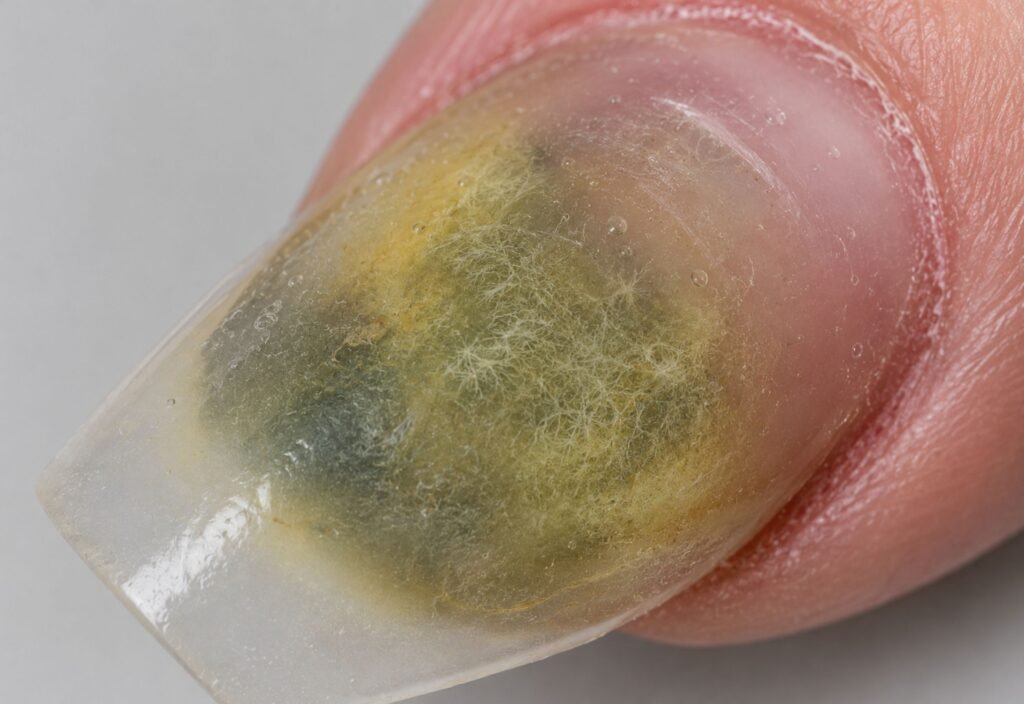
Here is the thing acrylic nails themselves do not directly cause fungus. But they do create the conditions that allow it to thrive. Several common scenarios can lead to an infection:
1. Lifting and Gaps
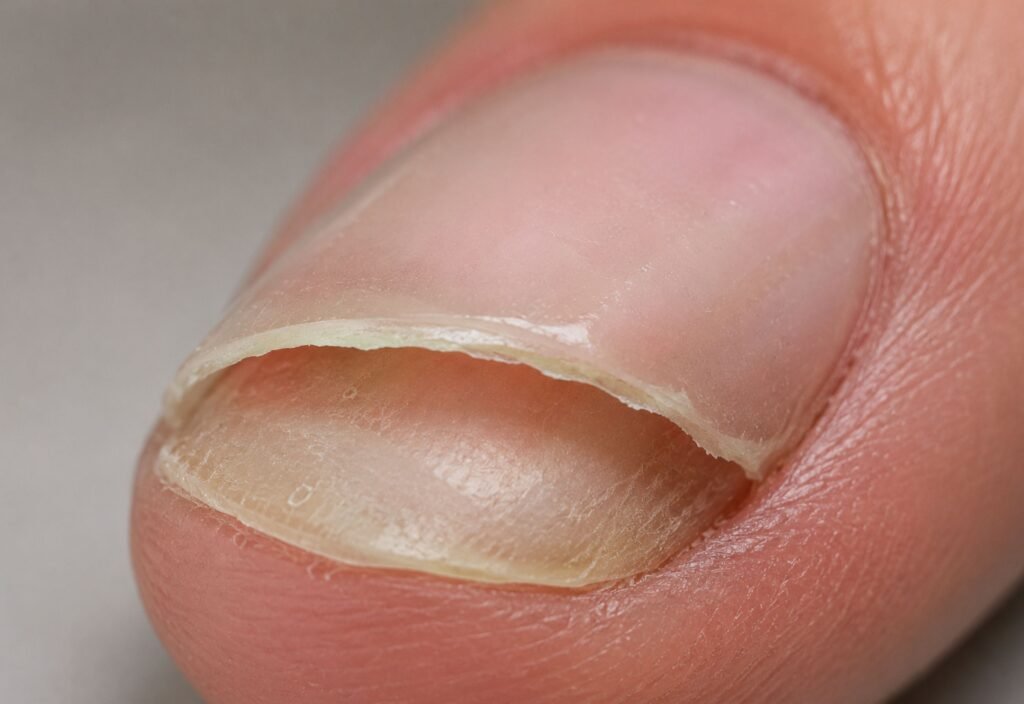
When an acrylic nail starts to lift from the natural nail, even slightly, water and bacteria can sneak in. That tiny gap stays warm and humid, and fungus can take hold quickly.
2. Poor Application or Removal
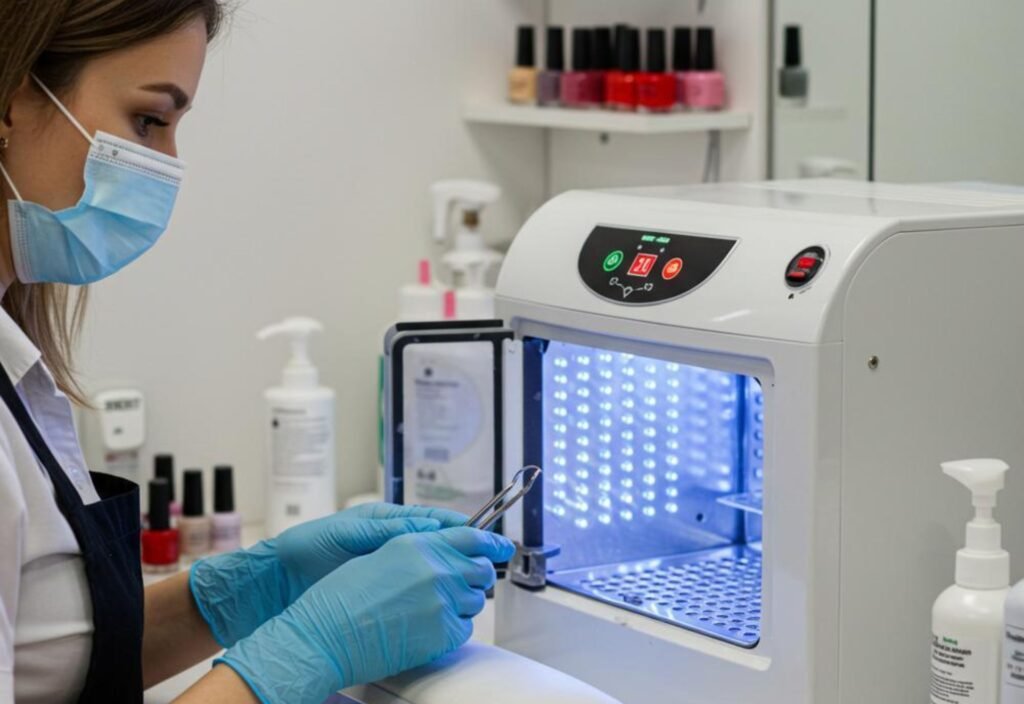
If the nail technician files the natural nail too aggressively or uses unsanitary tools, it can damage the nail bed and introduce fungal spores. Always make sure your salon sterilizes its equipment between clients.
3. Infrequent Fills
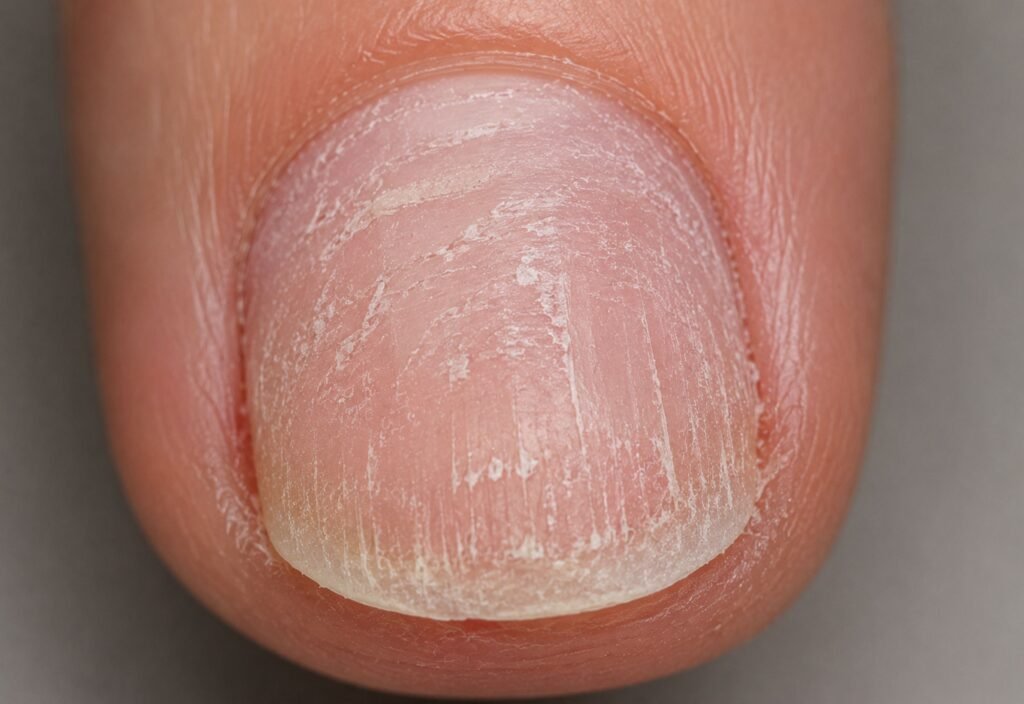
Skipping fill appointments stretches out the gap between the acrylic and the growing natural nail. That growing gap becomes a trap for moisture and debris.
4. Wearing Acrylics for Too Long
Keeping acrylics on for months without breaks gives fungus more time to develop and spread without you noticing it underneath.
5. Contaminated Nail Tools
Using shared or unsterilized nail files, buffers, or drill bits is one of the fastest ways to pick up fungal spores at a salon.
Signs and Symptoms to Watch For
Catching fingernail fungus from acrylic nails early makes treatment much simpler. Here are the warning signs you should never ignore:
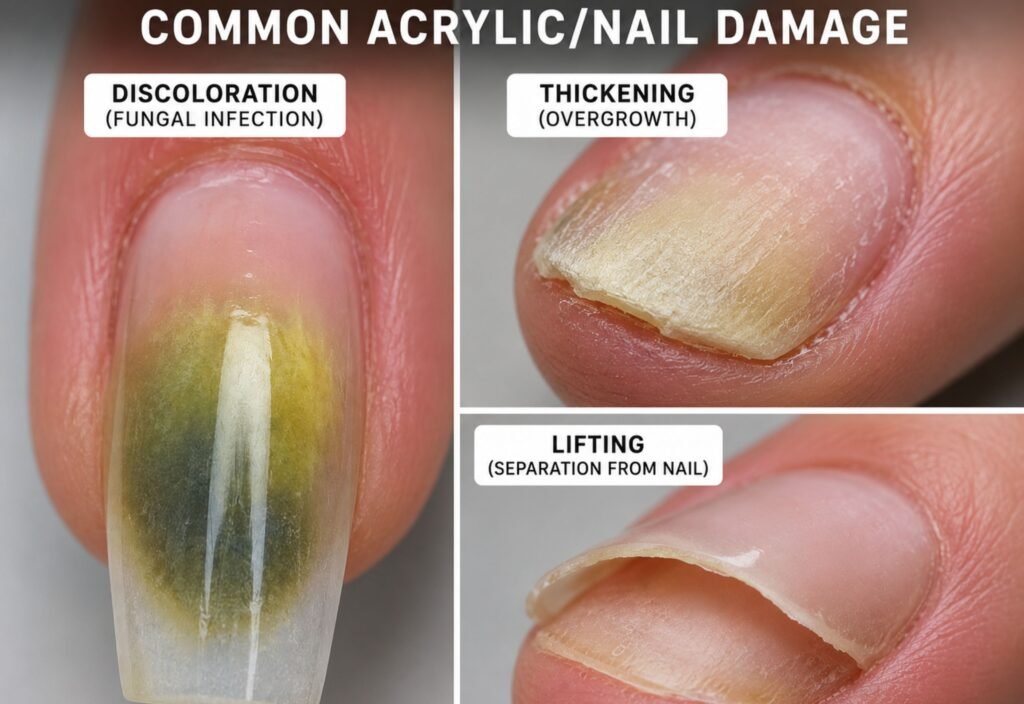
- Yellow, brown, or white discoloration under or around the nail
- Thickened or brittle nails that are harder than normal
- A dark or greenish spot often a sign of Pseudomonas bacterial co-infection
- A foul or musty smell coming from beneath the acrylic
- Nail lifting or separation from the nail bed
- Pain or tenderness when pressing on the nail
- Crumbling or powdery nail texture when the acrylic is removed
If you notice any of these signs, remove your acrylics as soon as possible and examine your natural nail closely.
How to Treat Fingernail Fungus From Acrylic Nails
Step 1: Remove Your Acrylic Nails
This is non-negotiable. You cannot treat a fungal infection while keeping the acrylic on. Have a professional remove them safely do not force them off, as this can further damage the nail bed.
Step 2: See a Dermatologist
A dermatologist can confirm whether you have a fungal infection (versus a bacterial one or simple nail trauma) and recommend the best treatment.
Step 3: Use Antifungal Treatment
Depending on how severe the infection is, your doctor may recommend:
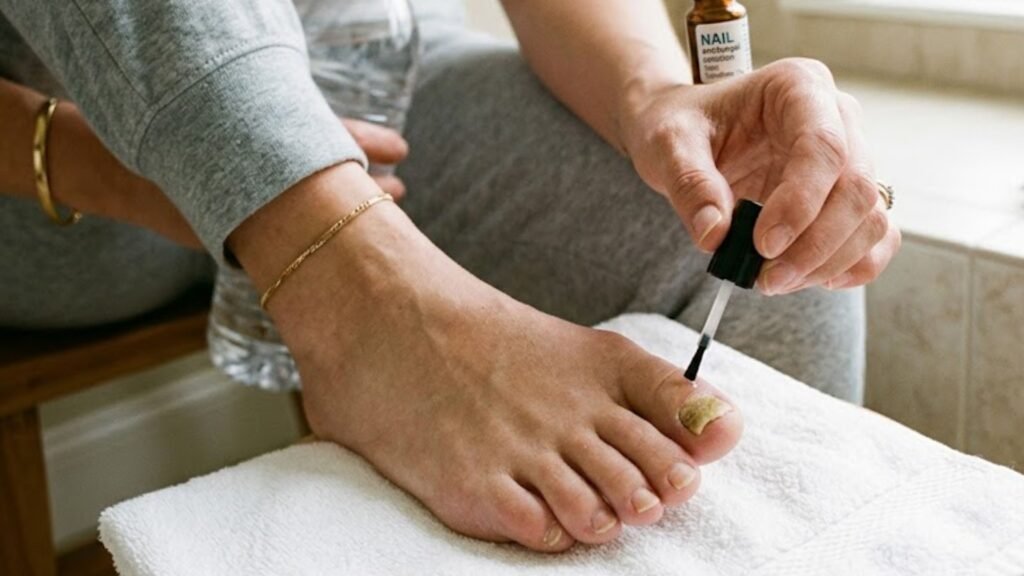
- Topical antifungal treatments medicated nail lacquers like ciclopirox (Penlac) applied directly to the nail
- Oral antifungal medications such as terbinafine or itraconazole for more serious infections; these are more effective but come with potential side effects
- Nail removal in severe cases, removing part or all of the affected nail may be necessary to allow direct treatment of the nail bed
Step 4: Keep Nails Clean and Dry
While you recover, wash your hands regularly, dry them thoroughly after washing, and keep your nails trimmed short. Avoid picking at the nail or using nail polish, which traps moisture.
Step 5: Be Patient
Nail fungus takes time to clear, sometimes three to six months for fingernails, even longer for toenails. Stay consistent with your treatment and do not give up early.

How to Prevent Fingernail Fungus From Acrylic Nails
Prevention is always easier than treatment. The good news is that a few simple habits can dramatically lower your risk.
Choose Your Salon Wisely
Look for salons that visibly sterilize their tools, use fresh nail files for each client, and keep their workstations clean. Do not hesitate to ask any reputable salon that will be happy to explain their hygiene practices.
Take Regular Breaks From Acrylics
Give your natural nails a breather every few months. This lets you inspect your nail health and allows your nails to breathe and recover.
Keep Nails Dry Between Appointments
Wear gloves when washing dishes or cleaning. Moisture is your biggest enemy when it comes to nail fungus.
Address Lifting Immediately
If your acrylic starts to lift, do not leave it. Get a fill or have the nail repaired promptly to close the gap before moisture and fungus can move in.
Use Your Own Tools
Bring your own nail file and buffer to the salon. It is a small step that makes a big difference.
When Should You See a Doctor?
Most mild cases of fingernail fungus from acrylic nails can start with over-the-counter treatments. However, you should see a doctor promptly if:
- The infection spreads to multiple nails
- You notice pain, swelling, or pus (which may suggest a bacterial infection)
- You have diabetes, a weakened immune system, or poor circulation
- The nail starts to separate from the nail bed

Conclusion
Fingernail fungus from acrylic nails is a frustrating problem, but it is absolutely manageable. The key is catching it early, treating it properly, and making smarter choices about nail care going forward. You do not have to give up acrylics forever you just need to be a more informed consumer.
Pay attention to your nails, choose clean salons, and give your natural nails the care they deserve. Healthy nails and beautiful acrylics can absolutely coexist you just need to know how to make that happen safely.
FAQs
Q1: Can you get fingernail fungus from acrylic nails at a clean salon?
Yes,even in a clean salon, moisture trapped under lifting acrylics can trigger a fungal infection.
Q2: How long does fingernail fungus from acrylic nails take to heal?
With proper treatment, fingernail fungal infections typically clear up in three to six months.
Q3: Can I put new acrylics on while treating nail fungus?
No,you should wait until the infection is fully healed before applying new acrylic nails.
Q4: Is fingernail fungus from acrylic nails contagious?
Yes,nail fungus can spread to other nails or to other people through shared tools or direct contact.
Q5: What does nail fungus from acrylics look like?
It typically appears as yellow, green, or brown discoloration with a thick or crumbling nail texture beneath the acrylic.