
You just got a fresh set of acrylic nails and two days later, one starts lifting. Sound familiar? The acrylic nails lifting problem is one of the most common and frustrating issues nail lovers face. However, the good news is that you can fix it and prevent it entirely with the right knowledge.
What Is the Acrylic Nails Lifting Problem?
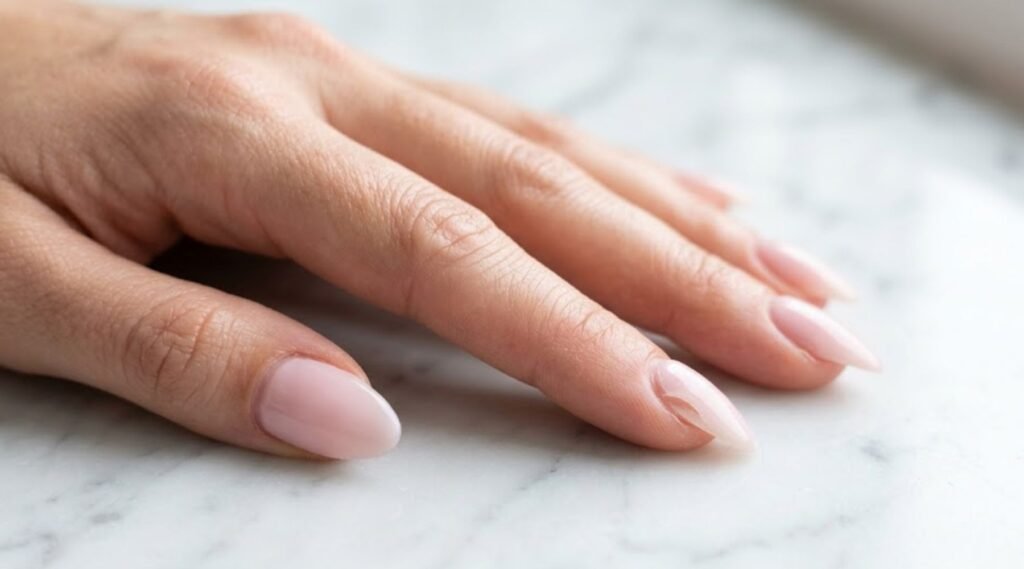
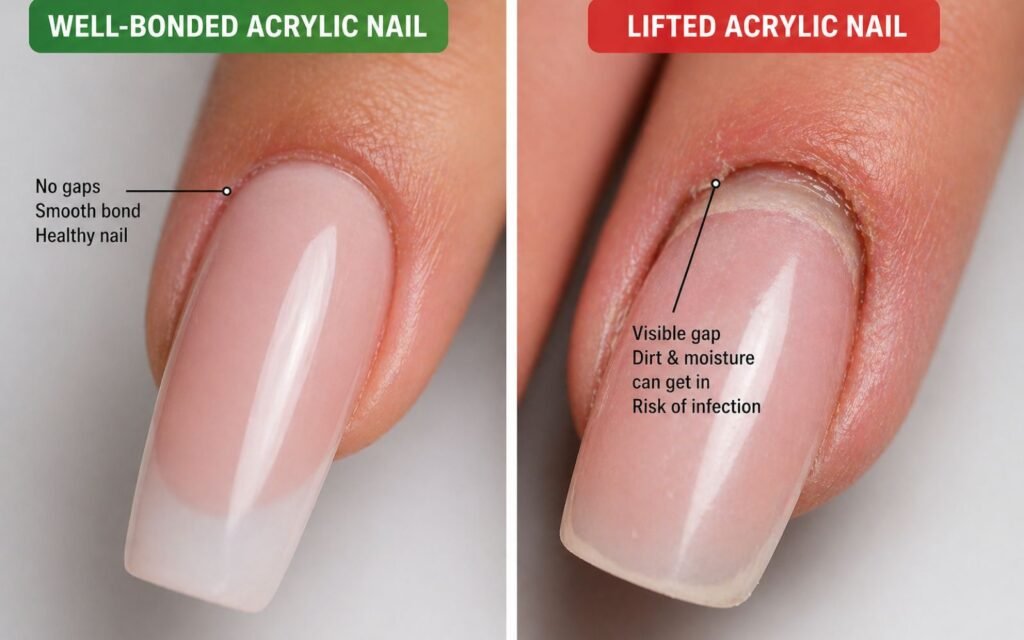
Nail lifting happens when the acrylic nail separates from your natural nail. A small gap forms between the two surfaces. This gap may start at the edges or near the cuticle area. Furthermore, it grows bigger over time if you ignore it.
Lifting is not just a cosmetic issue. That tiny gap traps moisture, dirt, and bacteria. As a result, it creates the perfect environment for nail infections and fungus. Therefore, you must address lifting as soon as you notice it.
Why Do Acrylic Nails Lift?
Many people blame their nail technician when lifting happens. However, lifting usually happens because of a combination of factors. Poor nail prep, wrong products, and daily habits all play a role. In addition, your natural nail type and skin condition also affect adhesion.
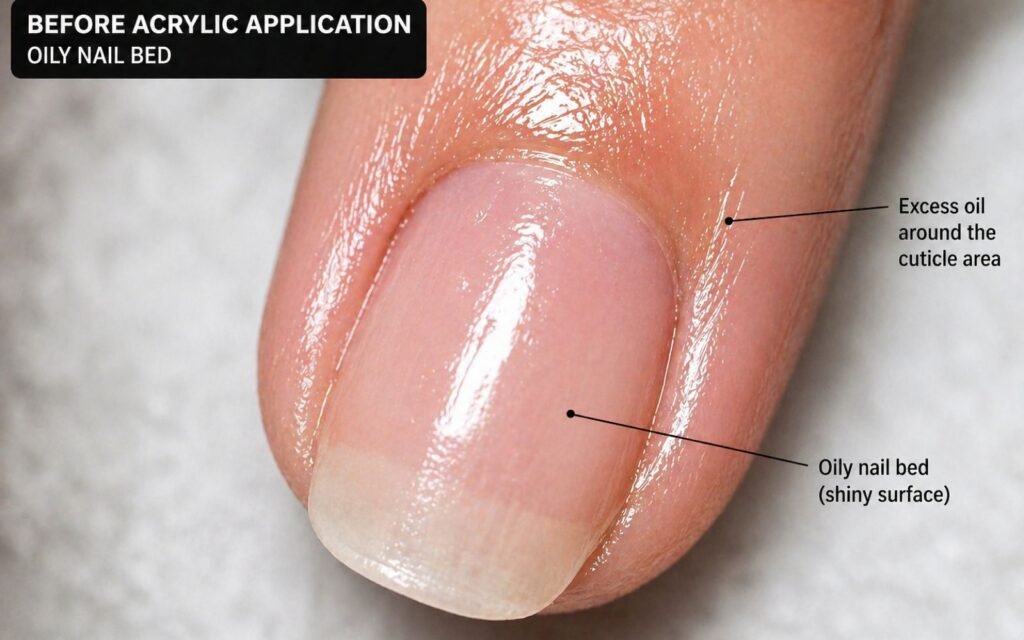
Oily nail beds are one of the biggest culprits. Acrylic products simply do not bond well to oily surfaces. Therefore, nails with naturally high oil production lift faster than others. Furthermore, skipping proper nail preparation makes the problem even worse.
Acrylic Nails Lifting Problem :Top Causes You Must Know
Understanding the root causes helps you stop lifting before it starts. Here are the most common reasons your acrylics lift:
1. Poor Nail Preparation
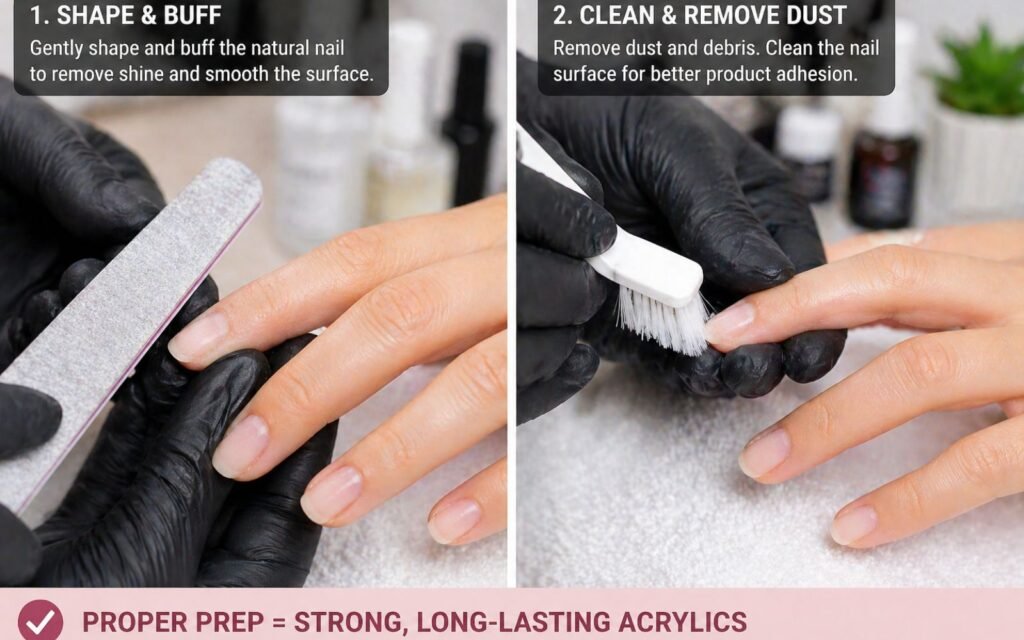
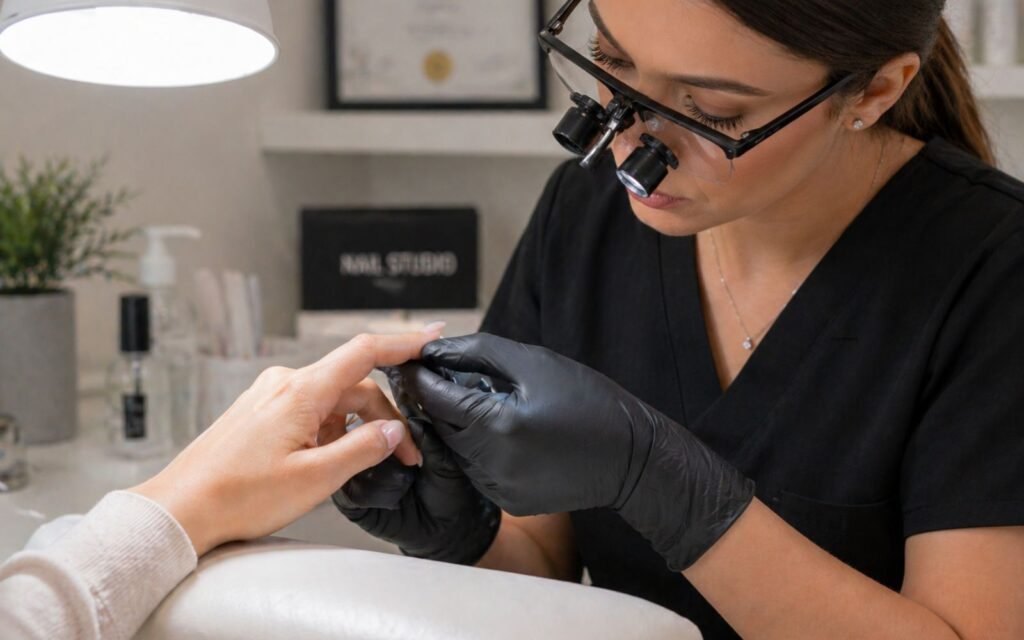
Nail prep is the most important step in acrylic application. Technicians must clean, buff, and dehydrate the nail plate properly. If they skip any step, the acrylic loses its grip immediately. In addition, leftover dust or oils on the nail surface weaken the bond further.
2. Oily or Moist Nail Beds
Excess oil or moisture on the nail bed prevents proper nail adhesion. Some people naturally produce more nail oil than others. Therefore, these clients need extra dehydration steps before application. Meanwhile, washing hands right before an appointment also introduces unwanted moisture.
3. Incorrect Product Ratio
Acrylic application requires the perfect mix of liquid monomer and powder polymer. Too wet or too dry a mix affects how the product bonds to your nail. As a result, an incorrect ratio leads to weak adhesion and early lifting. Furthermore, poor quality products make this problem even worse.
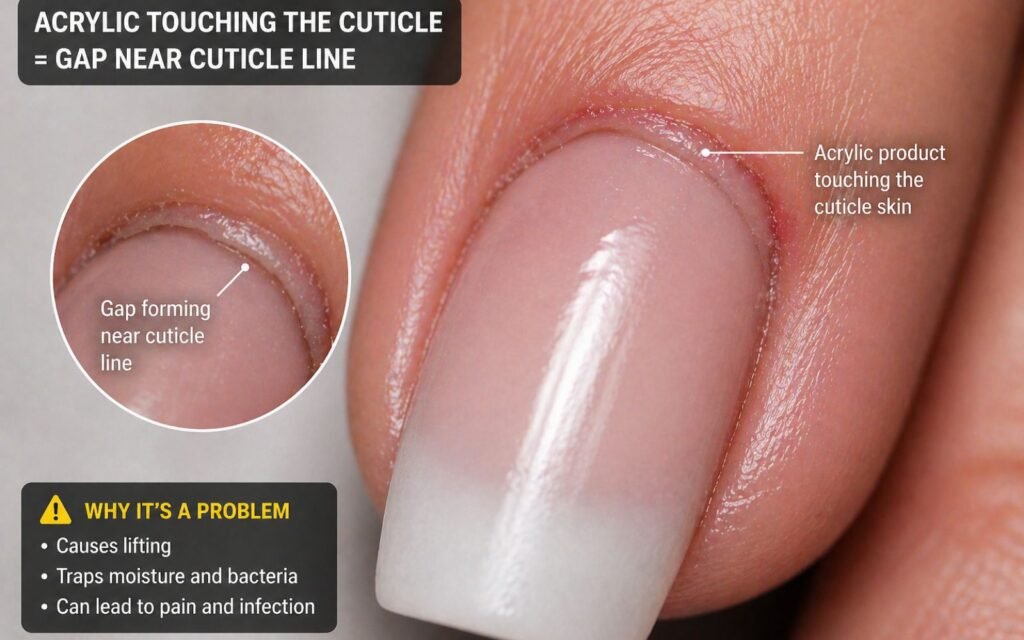
4. Cuticle Area Contamination
Acrylic must never touch the cuticle or skin. If the product sits on the skin even slightly, it lifts immediately. This is one of the most common mistakes beginner nail technicians make. Therefore, always check that your technician applies product cleanly away from the cuticle.
5. Skipping the Primer
Nail primer creates a bridge between your natural nail and the acrylic. Skipping this step kills nail adhesion completely. In addition, using the wrong type of primer for your nail type makes lifting worse. Always ask your technician if they use a bonding primer before application.
6. Thin or Weak Natural Nails
People with naturally thin nails struggle more with lifting. Thin nails flex more during daily activity. As a result, the acrylic layer cannot keep up with that movement and starts separating. Furthermore, damaged nails from previous sets make the surface uneven and hard to bond to.
7. Water Exposure
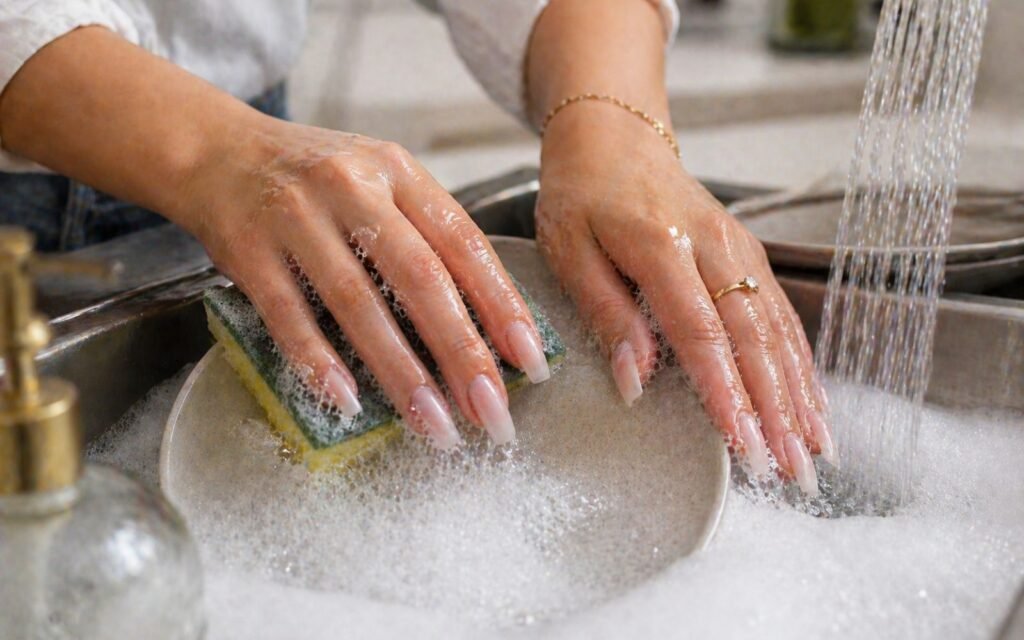
Long exposure to water softens both natural and acrylic nails. Frequent dishwashing, swimming, or long showers weaken the acrylic bond over time. Therefore, always wear gloves during wet tasks. In addition, dry your hands and nails thoroughly after every wash.
How to Fix Lifted Acrylic Nails at Home
Never ignore a lifted acrylic nail. Act fast and follow these steps:
Step 1: Do Not Force It Down
Never press a lifted nail back down or glue it yourself carelessly. Forcing it traps moisture and bacteria underneath. This leads to a painful nail infection very quickly. Therefore, handle the lifted nail gently at all times.
Step 2: Trim It Carefully
If the lifting is minor, carefully trim any sharp or jagged edges. Use a clean nail file to smooth rough areas. This prevents the lifted section from catching on fabric or hair. In addition, it stops the lifting from spreading further.
Step 3: Apply Nail Glue for Temporary Fix
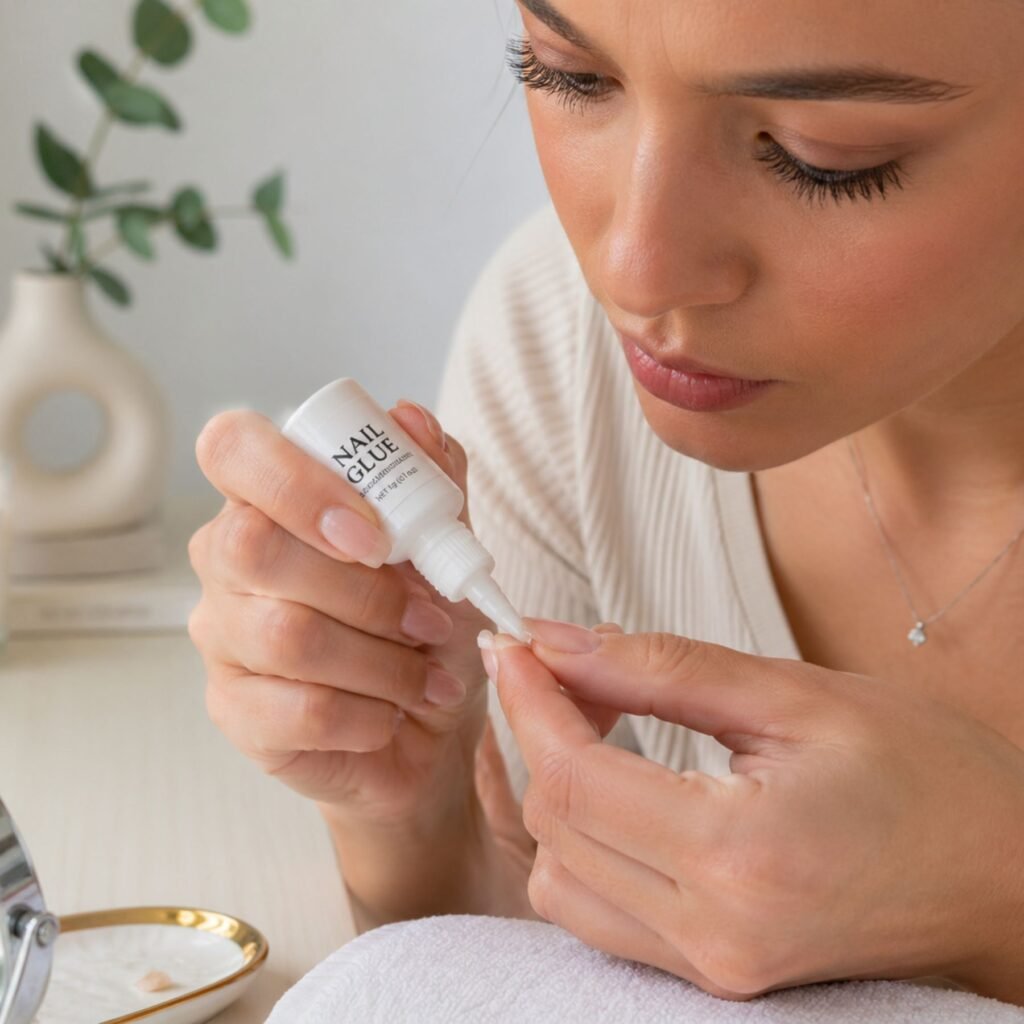
For small lifts, you can apply a tiny drop of nail glue under the lifted area. Press gently and hold for 10 seconds. However, this is only a temporary solution. Therefore, book a salon appointment as soon as possible for a proper fix.
Step 4: Avoid Water and Chemicals
Keep the lifted nail as dry as possible. Avoid washing dishes, swimming, or using cleaning products without gloves. Water makes lifting spread faster. Furthermore, harsh chemicals break down the acrylic bond completely.
Step 5: Visit Your Nail Technician
The best fix is always a professional one. Your technician can properly fill, repair, or replace the lifted nail. In addition, they will identify the exact cause of your lifting problem. Next, they will adjust their technique to prevent it from happening again.
How to Prevent the Acrylic Nails Lifting Problem
Prevention is always better than fixing. Follow these tips to keep your acrylics in perfect shape:
Keep up with regular fills:
Book a fill appointment every two to three weeks. Waiting too long causes grown-out nails to lift at the base. Therefore, never skip or delay your fill appointments.
Avoid oily nail products before appointments:
Do not apply hand cream or cuticle oil on the day of your nail appointment. Oil residue on the nail surface ruins adhesion instantly. In addition, wash your hands with soap and dry them fully before sitting down.
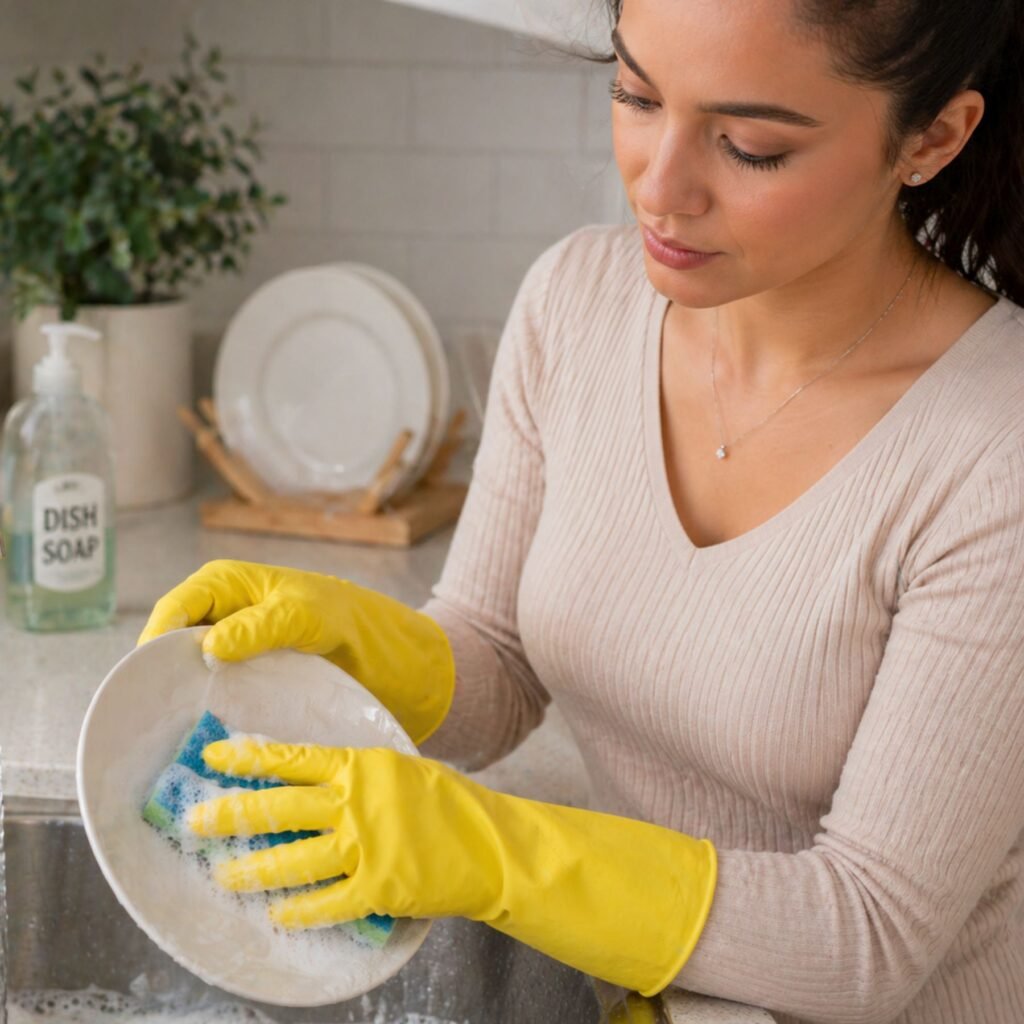
Wear gloves for wet work:
Protect your nails during dishes, cleaning, or gardening. Water and chemicals are the biggest enemies of acrylic nail maintenance. Furthermore, gloves protect your cuticles and skin from harsh products too.
Apply cuticle oil daily:
Healthy nails hold acrylics better than dry, brittle ones. Apply cuticle oil every night before bed. This keeps your natural nail flexible and strong underneath the acrylic. In addition, it prevents dryness that causes cracking and lifting.
Choose a skilled nail technician:
Always go to a licensed and experienced professional. A good technician preps your nails correctly every single time. Furthermore, they use quality products that bond properly to your nail bed.
When Should You See a Nail Technician?
Some situations need professional attention immediately. See your nail technician right away if:
Your nail lifts more than halfway from the nail bed. At that point, home fixes no longer work safely. Furthermore, a large lift exposes the nail bed to serious infection risk.
You notice any green, yellow, or dark discoloration under the nail. This signals a bacterial or fungal infection developing underneath. Therefore, do not wait book an appointment the same day.
You feel pain, swelling, or tenderness around the lifted nail. These are signs of infection that need professional or even medical attention. In addition, never apply new acrylics over an infected nail bed.
Meanwhile, if lifting keeps happening repeatedly after every set, tell your technician. They need to adjust their prep technique or switch products. A good technician always listens and adapts to fix your specific nail needs.

Conclusion
The acrylic nails lifting problem is frustrating but it is completely fixable and preventable. Poor nail prep, moisture, oily nail beds, and wrong products cause most lifting issues. However, with the right habits and a skilled technician, you can enjoy flawless nails that last. In addition, regular fills, daily cuticle oil, and gloves during wet work make a huge difference. Take care of your nails properly and say goodbye to lifting for good. Book your next nail appointment today and ask your technician about the best prep routine for your nail type.
FAQs
Q1: What causes the acrylic nails lifting problem most commonly?
A: Poor nail preparation and excess moisture on the nail bed cause most lifting issues.
Q2: Can I fix a lifted acrylic nail at home?
A: Yes, apply a small drop of nail glue for a temporary fix, then visit your technician soon.
Q3: How often should I get fills to prevent lifting?
A: Get a fill every two to three weeks to keep your acrylics bonded and lifting-free.
Q4: Does water cause the acrylic nails lifting problem?
A: Yes, frequent water exposure weakens the acrylic bond and speeds up lifting significantly.
Q5: Should I remove lifted acrylic nails myself?
A: No, always visit a professional technician to safely remove or repair lifted acrylic nails.