
Acrylic nails look stunning, but sooner or later, you need proper acrylic nails removal to protect your natural nails. Many people rush this step and end up with weak, damaged nails. However, if you follow the right method, you can remove acrylics safely and easily at home.
In this guide, you will learn the safest and most effective ways to handle acrylic nails removal. Moreover, you will discover simple tips, tools, and mistakes to avoid. So, whether you are a beginner or experienced, this guide will help you keep your nails healthy and strong.
Why Proper Acrylic Nails Removal Matters
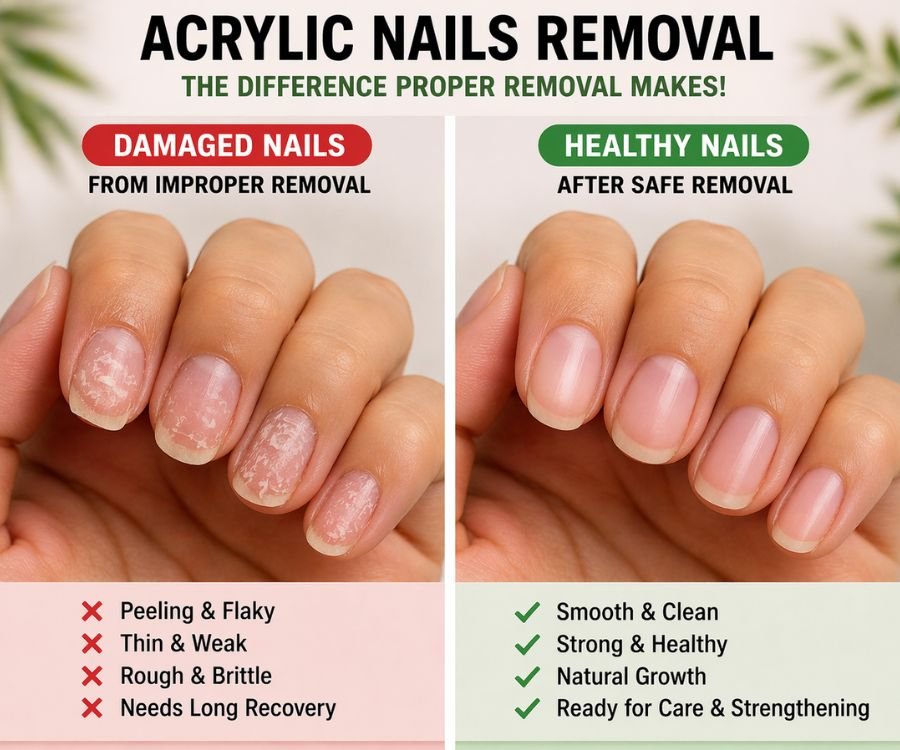
First of all, proper acrylic nail removal protects your natural nails from damage. If you peel or force off acrylics, you remove layers of your real nail. As a result, your nails become thin and painful.
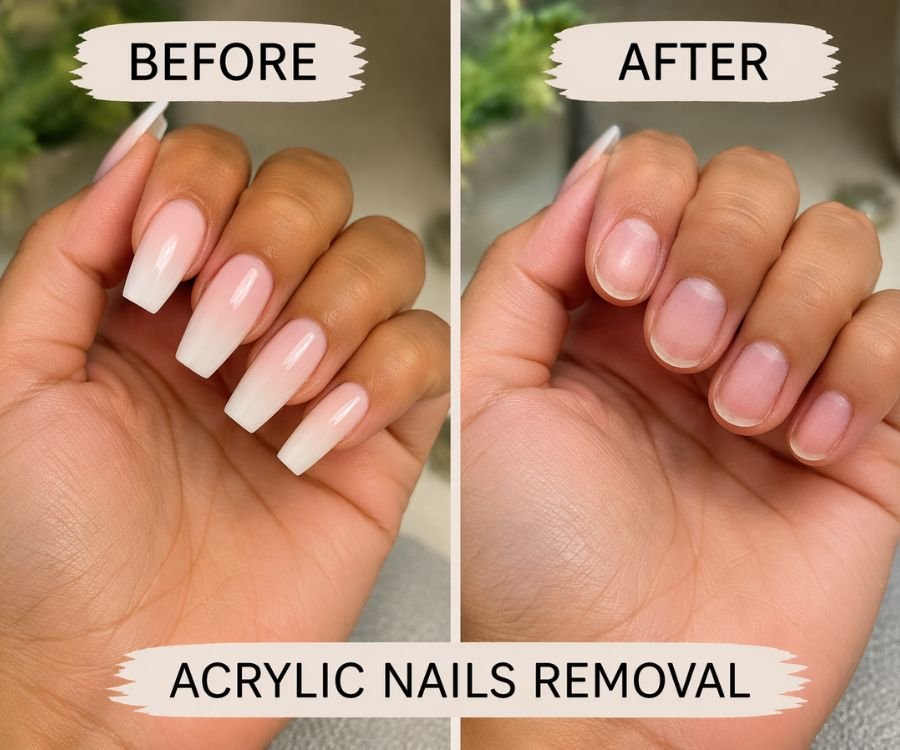
In addition, safe removal prevents infections. When acrylics lift, moisture can get trapped underneath. Therefore, careful removal keeps your nails clean and healthy.
Moreover, correct techniques support faster nail recovery. When you remove acrylics gently, your nails stay stronger. On the other hand, harsh removal can take months to heal.
Tools You Need for Acrylic Nails Removal
Before you start, gather the right tools for a smooth acrylic nail removal process.
Essential Tools:
- Nail Clippers
First, use these to cut down long acrylic nails. - Nail File (100/180 grit)
Next, file the top layer to break the seal. - Acetone (100% pure)
This dissolves acrylic quickly and effectively. - Cotton Balls or Pads
Use these to soak acetone and place on nails. - Aluminum Foil
Wrap each finger to lock in acetone. - Cuticle Pusher or Orangewood Stick
Gently push off softened acrylic. - Buffer Block
Smooth your nails after removal. - Cuticle Oil
Finally, hydrate and nourish your nails.
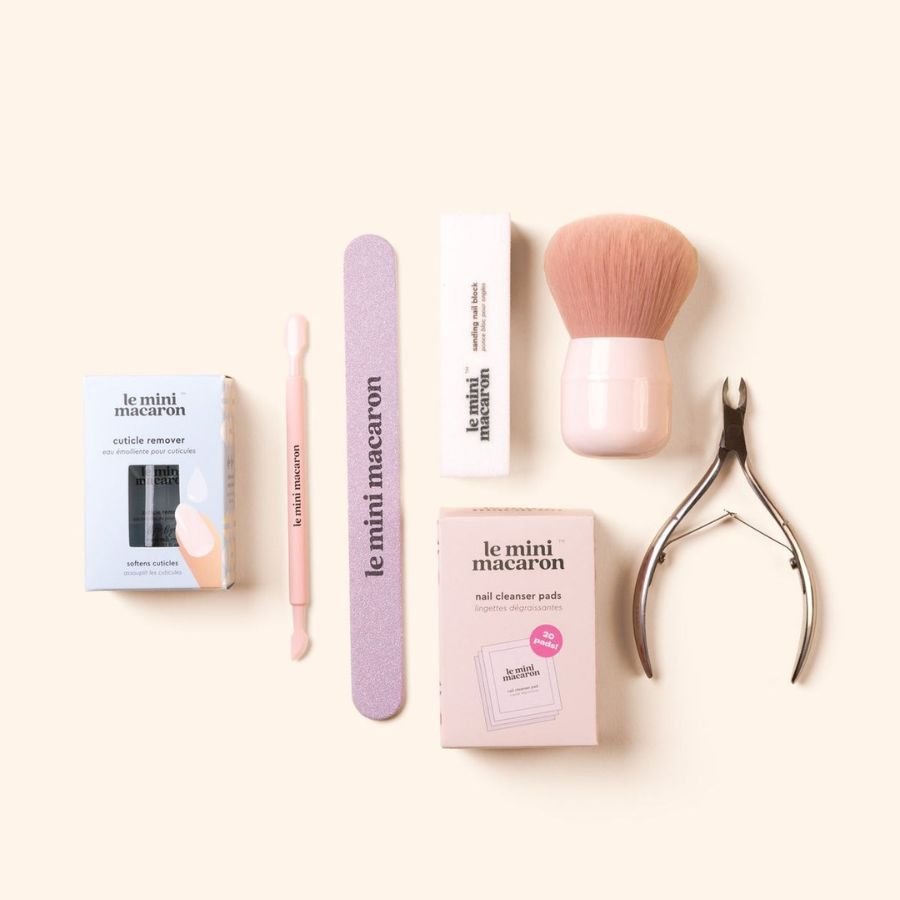
Having these tools ready makes DIY acrylic nail removal much easier and safer.
Step-by-Step Acrylic Nails Removal at Home
Now, let’s go through the safest method to remove acrylic nails at home.
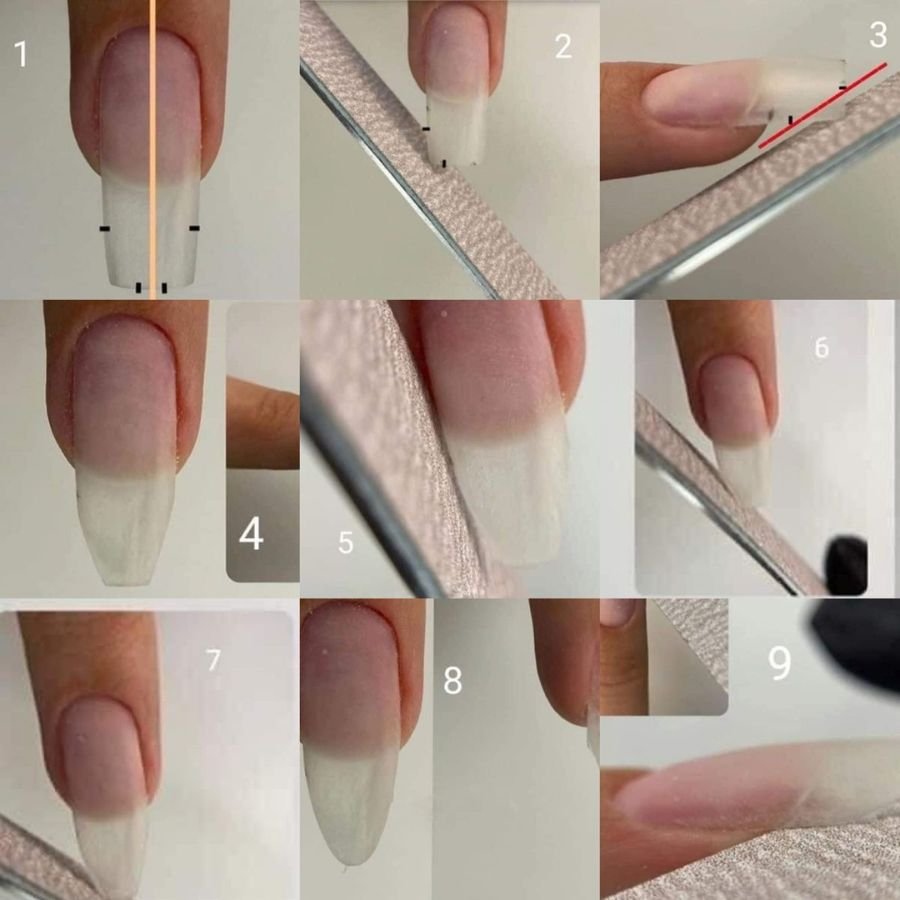
Step 1: Trim the Acrylic Nails
First, cut your acrylic nails as short as possible. This reduces soaking time and makes the process easier.
Step 2: File the Top Layer
Next, file the shiny topcoat. This step helps acetone penetrate the acrylic faster.
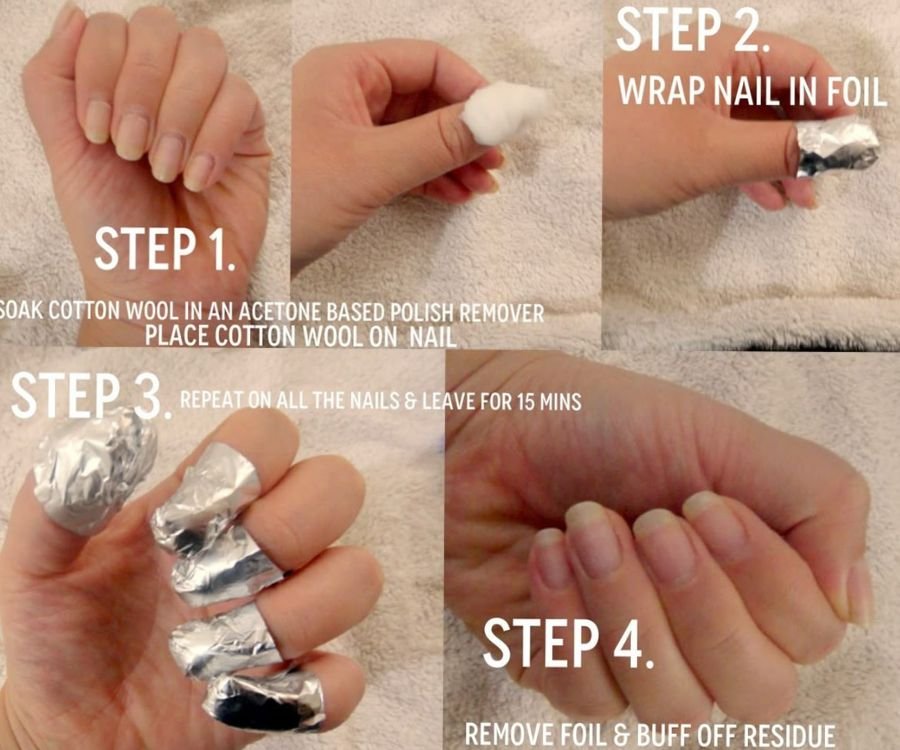
Step 3: Soak Cotton with Acetone
Then, soak cotton balls in pure acetone. Make sure they are fully saturated.
Step 4: Wrap Your Nails
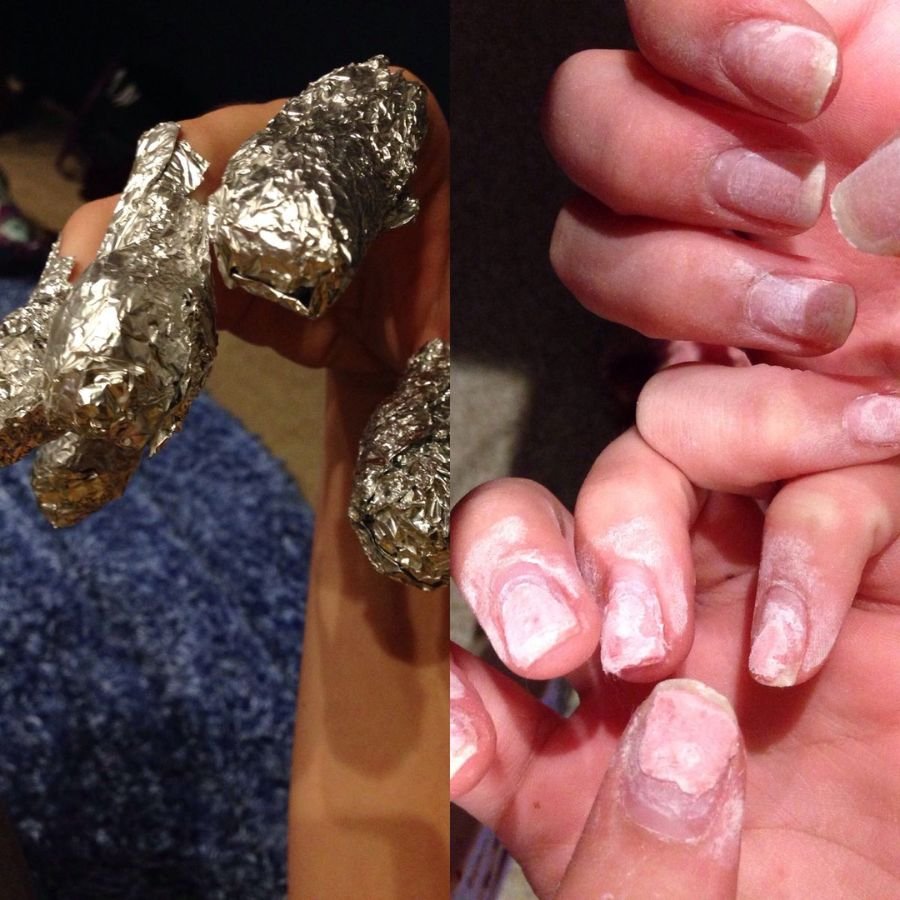
Place the soaked cotton on each nail. After that, wrap your fingers with foil to secure them.
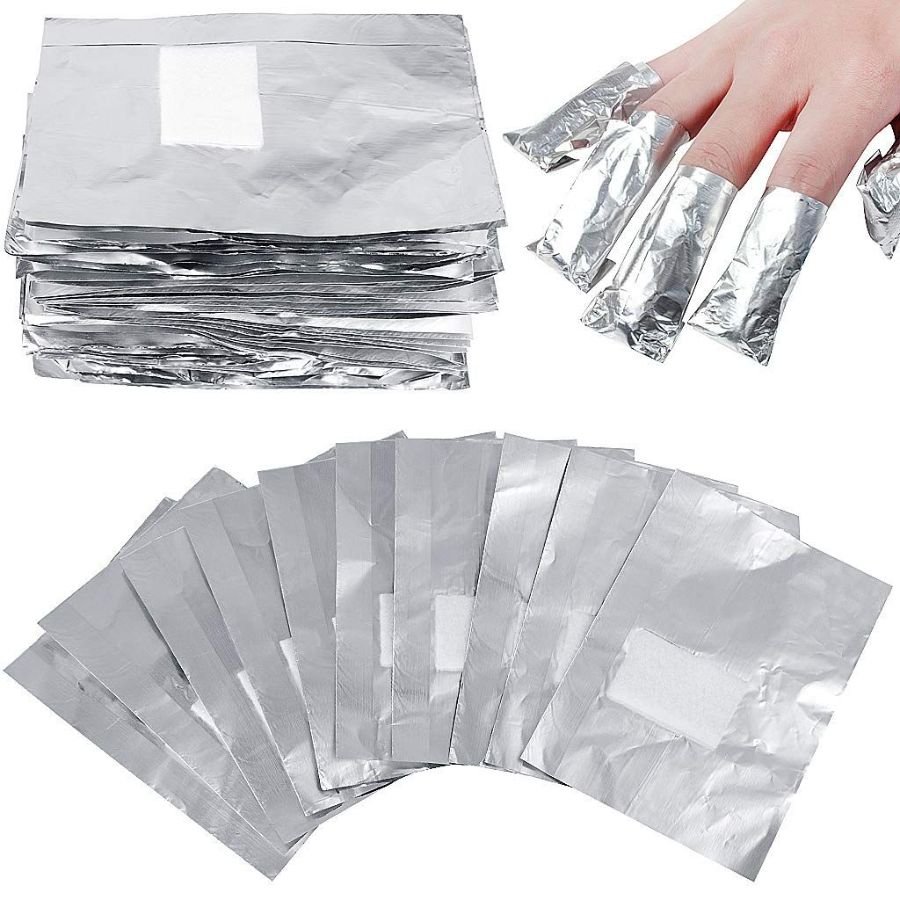
Step 5: Wait Patiently
Leave the wraps on for 20 to 30 minutes. During this time, the acrylic will soften.
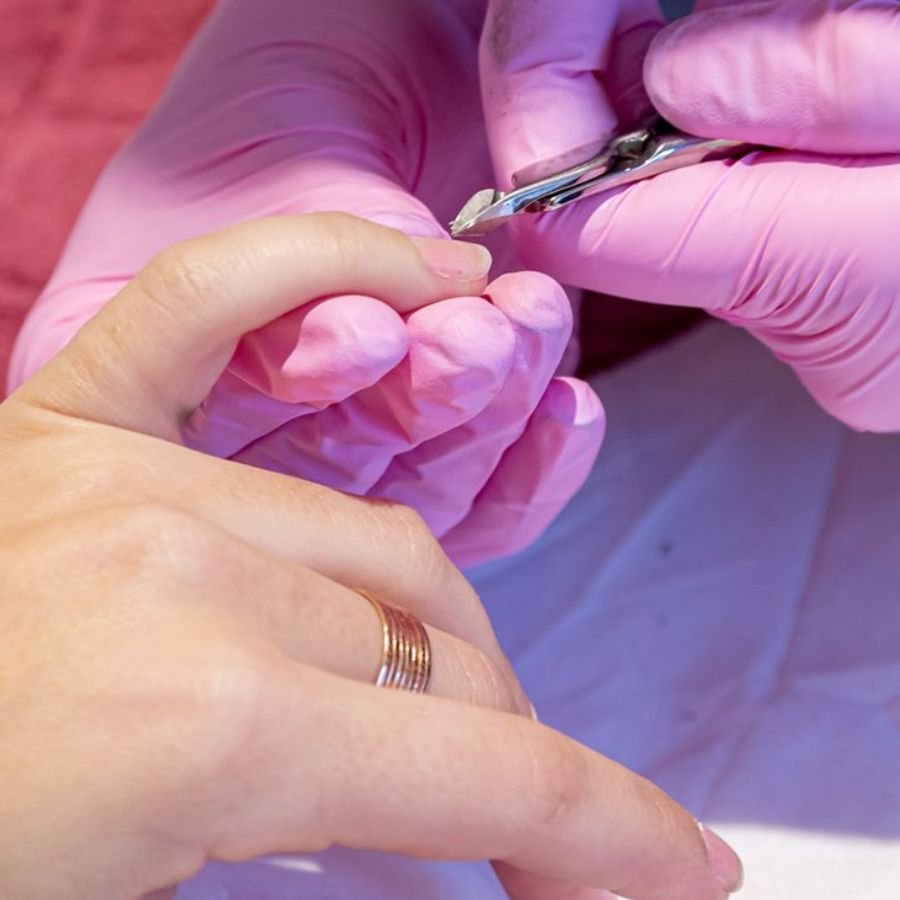
Step 6: Gently Remove Acrylic
After soaking, remove the foil and cotton. Then, use a cuticle pusher to gently push off the softened acrylic.
Step 7: Repeat if Needed
If some acrylic remains, repeat the soaking process. Never force it off.
Step 8: Buff and Shape
Once all acrylic is gone, buff your nails lightly. This step smooths the surface.
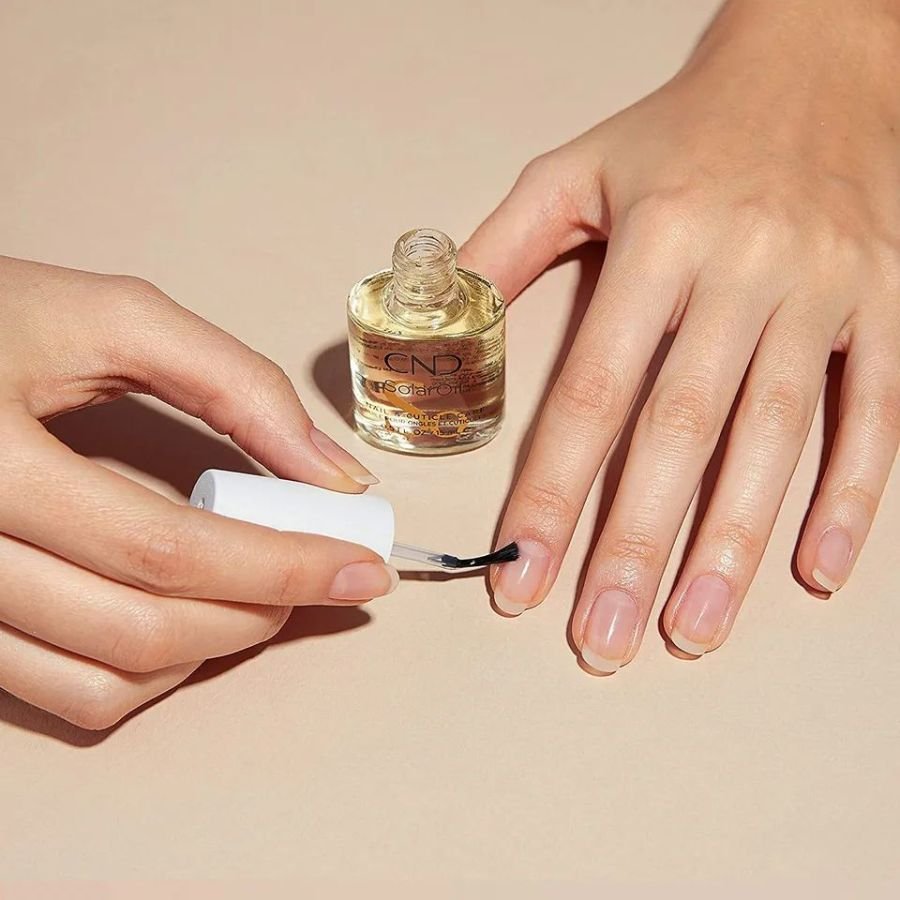
Step 9: Moisturize Your Nails
Finally, apply cuticle oil and hand cream. This restores moisture after acrylic nails removal.
Acrylic Nails Removal Without Damage
You can achieve acrylic nails removal without damage if you follow a few key tips.
First, always stay patient. Rushing leads to peeling and breakage. Therefore, allow enough soaking time.
Next, avoid pulling or ripping acrylics. Even if they look loose, they can still damage your nail layers.
In addition, keep your nails hydrated. Use cuticle oil daily during and after the process.
Moreover, use gentle tools only. Metal tools can be harsh, so choose soft pushers instead.
Finally, take breaks between acrylic sets. This gives your nails time to recover naturally.
Common Mistakes to Avoid During Acrylic Nails Removal
Many people make simple mistakes during acrylic nails removal, which leads to damage.
1. Peeling Off Acrylic Nails
This is the worst mistake. Peeling removes layers of your natural nail.
2. Skipping the Filing Step
Without filing, acetone cannot work properly. As a result, removal takes longer.
3. Not Using Enough Acetone
Weak or diluted acetone slows the process. Therefore, always use pure acetone.
4. Rushing the Process
If you rush, you may force off acrylic. This leads to pain and damage.
5. Ignoring Aftercare
Many people forget aftercare. However, hydration plays a key role in nail recovery.
Avoiding these mistakes ensures safe and effective acrylic nail removal.
Aftercare Tips for Nails After Acrylic Removal
After acrylic nails removal, your nails need care and attention.
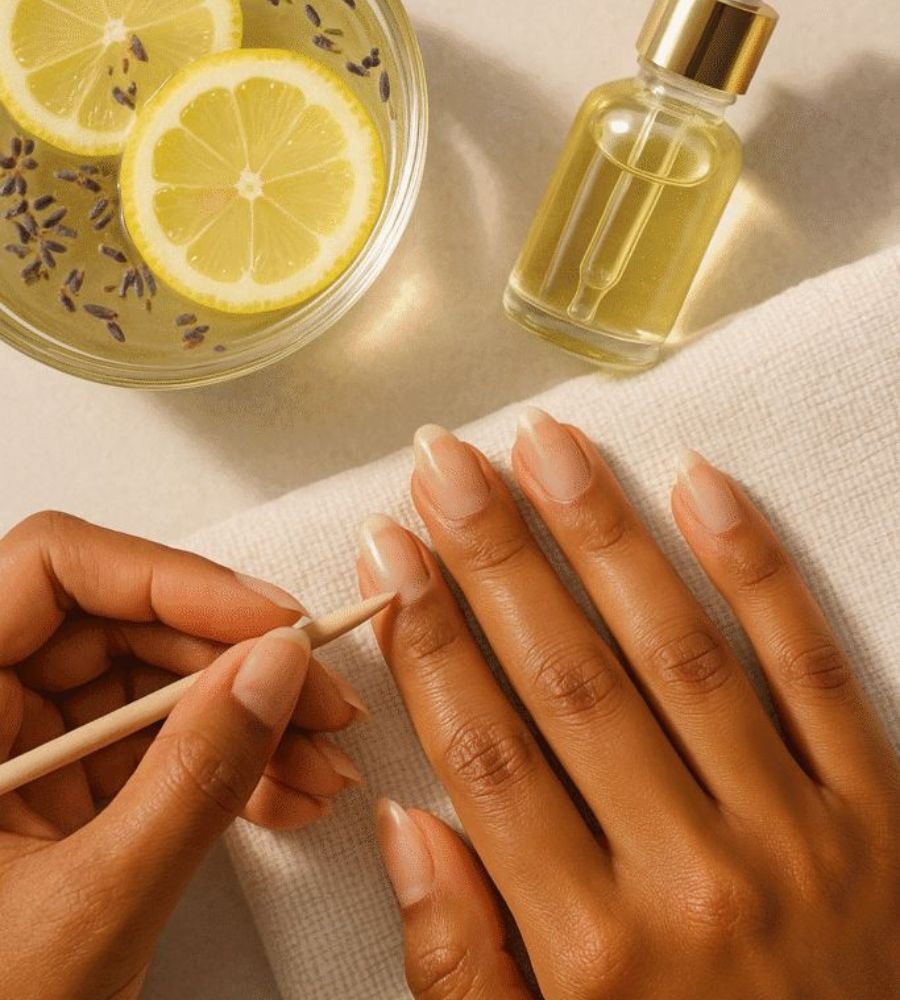
First, apply cuticle oil daily. This restores moisture and improves nail strength.
Next, keep your nails short for a while. Short nails break less and grow healthier.
In addition, use a strengthening nail treatment. This helps rebuild your nail structure.
Moreover, drink plenty of water. Hydration supports nail health from within.
Also, avoid harsh chemicals. Wear gloves when cleaning to protect your nails.
Finally, give your nails a break from acrylics. Let them breathe and recover fully.
Conclusion
In conclusion, proper acrylic nail removal plays a crucial role in maintaining healthy nails. If you follow the right steps, you can safely remove acrylics at home without damage. Moreover, using the correct tools and techniques makes the process smooth and stress-free.
Remember, patience and care always give the best results. So, the next time you plan acrylic nails removal, follow this guide and treat your nails with the care they deserve.
FAQs
1. What is the safest way to remove acrylic nails at home?
The safest way involves soaking nails in acetone and gently removing softened acrylic without force.
2. Can I do acrylic nail removal without acetone?
Yes, you can try warm water and oil, but acetone works faster and more effectively.
3. How long do acrylic nail removal process take?
The process usually takes 30 to 45 minutes depending on nail thickness.
4. How do I prevent damage during acrylic nails removal?
You can prevent damage by avoiding peeling and keeping nails hydrated throughout the process.
5. What should I do after removing acrylic nails?
After removal, apply cuticle oil and strengthening treatments to restore nail health.